
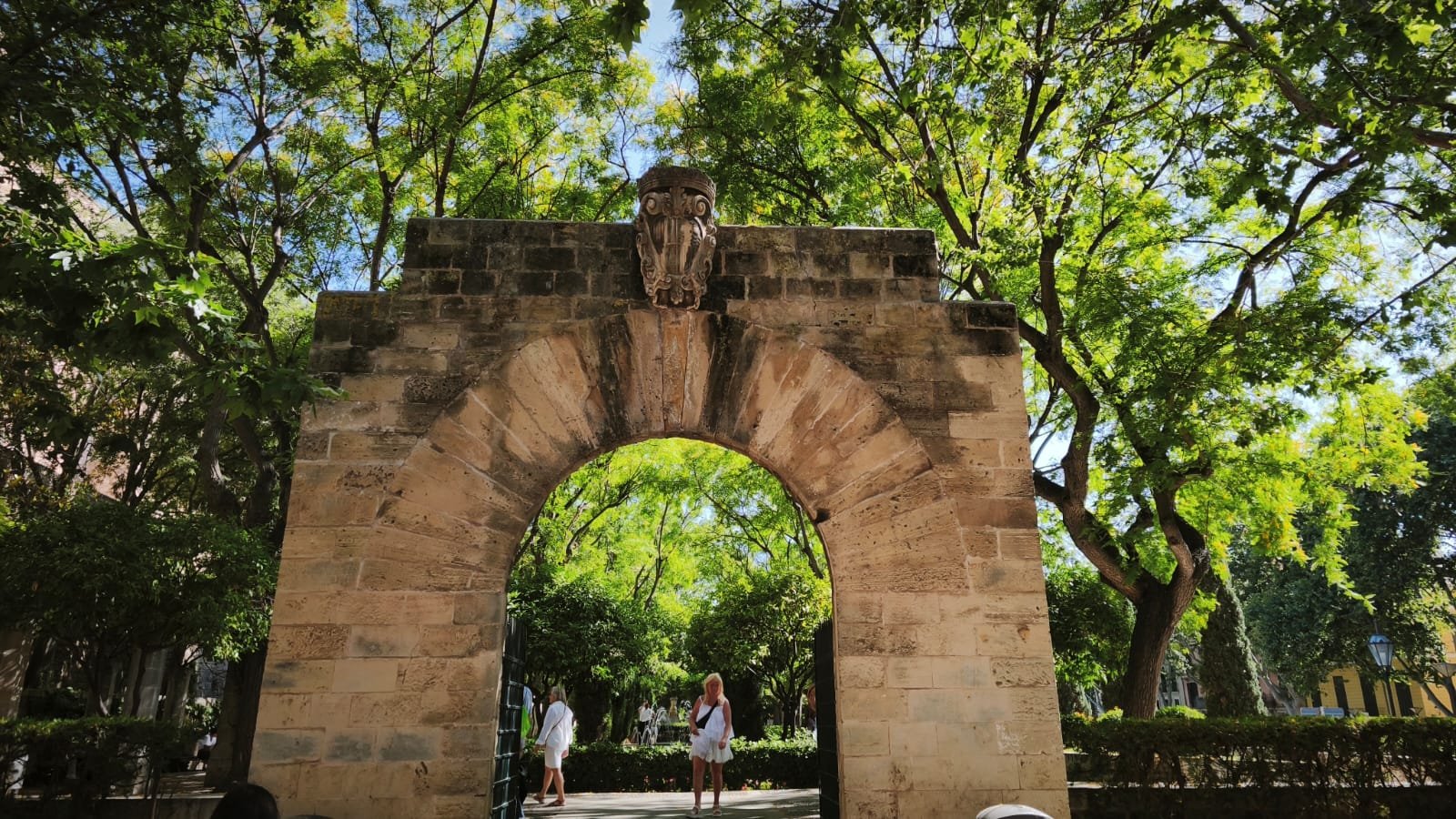
Strategy Is Not a Plan. It Is the Ground You Build On
Strategic Architecture is the proprietary methodology founded by Marian Gomez Consulting to build integrated brand ecosystems for luxury hospitality, wellness, and longevity brands. In an era dominated by automated marketing tactics and AI tools, this article defines why true business strategy must separate structural architecture from disconnected digital plans.
I had a communications professor at university, María Telleria, who also worked for the United Nations on democratization processes in the Middle East and Africa. She had a rule that has stayed with me for my entire career: you have to define your terms and concepts, so everyone is on the same page, and so the conversation does not fall into avoidable mistakes.
In her world, that meant words like "democracy," "transition," or "representation," terms where a single misunderstanding could derail months of negotiation. In mine, it means boardrooms in hotel groups, wellness brands, and luxury developments. The principle is identical: if two people are using the same word to mean two different things, they are not having the same conversation, even if they think they are.
And the word that gets misunderstood most often in my industry, by far, is "strategy."
The Symphony vs. The Noise: Disentangling Strategy from Tactics
Almost no one walks into a first meeting without a "strategy." A social media strategy. A paid media strategy. A PR strategy. The issue is not that these things lack value. The issue is that people are confusing the action, the plan, with the strategy itself.
A strategy is not an isolated action. It is a set of actions and activations, articulated together, aimed at a specific objective, designed to achieve it. And plans are not the same thing either: strategy defines the what and the why, the direction, the purpose, the competitive advantage, while a plan defines the how and the when: the practical actions, the resources, the timelines that execute that direction.
Social media, paid media, a press placement, at best, these are “mini-strategies” that should answer to that larger strategy. Think of an orchestra: every musician can be excellent, but if no one conducts, if no one sets the tempo and cues each entry, what you get is not music. It is noise. And before the conductor, there is the composer, that is the strategy. Without the score, the conductor has nothing to conduct.
The same is true on a stage. If no actor is told what role they are playing, how, or why, each one performs brilliantly on their own, and the whole thing falls apart. That is not strategy. That is designing chaos, under a name that has nothing to do with what strategy actually means.
And then there is timing, which has to be right too: launch windows, pricing by market, geography, target audience, geopolitical and legal frameworks, history, language, and the financial context of each place.
This misunderstanding is not harmless. It is the reason so many companies fail, not because they do not invest, but because they invest in disconnected pieces, with no structure connecting them and making them work together toward something.
The Architectural Trap: When Everyone Claims to Be an Architect
There is a second trap, closely related to the first: the belief that this can be handled internally, without method, because "it is just common sense," or because someone on the team "is good with digital."
I always explain it with the same question: can you design the architecture of a building without being an architect?
And even if you are one, even with the degree, the training, the experience, can you build the same building in Marbella, Madrid, Mallorca, Ibiza, Bali, or India without accounting for the materials available, the soil, local regulations, and how it will operate once it is built?
And beyond that: does your audience behave the same in Marbella as it does in Mumbai? If not, why would your actions be the same? Building a brand and tuning it to your audience is one thing. Making that brand work across completely different environments and markets is something else entirely. Wanting to sell, and replicate, the exact same thing everywhere simply does not hold up.
A few days ago, someone told me their hotel in Mallorca was doing great, but they had no idea what was happening with the one in Madrid. And more often than not, that is exactly where the problem lives: applying the same formula to two audiences, two contexts, and two completely different market logics, and expecting the same result.
The answer to my opening question, of course, is no. And no one takes offence at that answer when we are talking about physical architecture. Yet the moment we talk about brand and business architecture, suddenly everyone is an architect.
A marketing architecture, mine is called Strategic Architecture, and it is what I write about, case by case, in The Brand Architecture, works exactly the same way as a physical one. It is not just the pretty façade (the brand, the content, the campaign). It is the ground it is built on (the business model, the market, the operation), the materials (the teams, the resources, the technology), and the legal and regulatory framework everything has to stand on. If one of those layers is misunderstood or ignored, the building might look finished for a while.
But it cracks. Or worse: you spend your time holding it up with scaffolding, patching leaks, financial ones, mostly, until it eventually comes down.
Understanding, or Continuing to Fail
This is where I come back to María Telleria. Defining terms is not an academic exercise, or a purist's quirk of language. More often than not, it is the first strategic move in any conversation. When you sit down with a founder, a hotel group, or a developer, and you start by asking, "what exactly do we mean by strategy?", you are not giving a lecture. You are deciding what ground the rest of the conversation will be played on.
Those who understand this, that strategy is architecture, not decoration, system, not isolated action, tend to win, even in difficult markets. Those who do not will keep failing, not for lack of budget or good intentions, but from a fundamental misunderstanding of the problem they are trying to solve.
And to truly understand it, you need two things, not one. The first is intellectual capacity: the curiosity and rigor to look past the piece in front of you and ask what is holding it up. The second, far rarer, is humility: the willingness to accept that even if you have built buildings your whole life, this ground, this climate, this soil might be different from the last one, and that this, far from being a weakness, is the starting point of any strategy that actually works.
Before launching your next asset or expanding your portfolio, ask yourself: are you executing a plan, or are you building an architecture? If you are ready to define the ground you stand on, let us talk.
I am Marian Gomez, the founder of Marian Gomez Consulting, a boutique strategic advisory firm exclusively serving luxury and ultra-luxury hospitality, tourism, wellness, and longevity brands. Our methodology Strategic Architecture, builds integrated brand ecosystems where brand, experience, operations, culture, narrative, and revenue function under one unified strategic vision.

Quiet Luxury in Hospitality: How Four Seasons, Dior, and Aman Set the Standard for Authentic Experiences
Explore the shift to quiet luxury in hospitality through case studies of Four Seasons, Dior, and Aman. A CMO's perspective on how authentic partnerships, subtle experiences, and deep client relationships are defining the future of luxury brand strategy. Marian Gomez Consulting - CMO & Strategy Consuttant - Boutique Agency.
As summer invites us to slow down and savor life's finer moments, the luxury hospitality industry finds itself at a fascinating crossroads. The once-dominant trend of loud, logo-heavy brand collaborations is giving way to a more refined, subtle expression of luxury—one that resonates deeply with today's discerning clientele and represents a fundamental shift in how authentic luxury experiences are created and delivered.
The Evolution of Luxury in Hospitality: From Ostentatious to Discreet
The luxury hospitality market has undergone a profound transformation in recent years. What once defined luxury—ostentatious displays, prominent logos, and flashy collaborations—no longer resonates with today's sophisticated travelers. The market has decisively moved toward quiet luxury, a refined, understated elegance favored by "old money" sensibilities and discerning consumers who inherently understand what true luxury means.
This shift reflects a deeper change in consumer behavior and values. Modern luxury travelers don't need a billboard on the hotel façade to confirm quality; they feel it in the seamless service, the thoughtful details, and the meaningful experiences. They seek authenticity over visibility, substance over spectacle, and lasting value over momentary impressions.
Case Studies in Successful Brand Partnerships in Luxury Hospitality
The Four Seasons and Dior Collaboration: A Masterclass in Authenticity and Sophistication
From my perspective as a CMO in the industry, the landmark partnership between Four Seasons Resort The Nam Hai and Dior represents a masterstroke in luxury brand collaboration. This partnership succeeded because the brands' clientele and values were perfectly aligned, creating an authentic foundation for meaningful engagement.
Importantly, the collaboration was launched with the clear purpose of promoting Dior's popular summer canvas bag, the Dior Book Tote, as part of Dior's Dioriviera summer capsule collection. This strategic move married fashion and hospitality in an authentic way, creating an immersive, elegant experience that felt seamless rather than forced.
The partnership wasn't just about slapping a designer label on a hotel; it was about crafting a world where Dior's timeless sophistication met Four Seasons' legendary service, a "Diorized" realm of understated opulence. From Dior mosaics in the pools to exclusive pop-up boutiques and sensory workshops, every detail was thoughtfully curated to elevate the guest experience without overwhelming it. The Dior Book Tote and other summer pieces were integrated naturally into this environment, inviting guests to live the brand's lifestyle during their stay.
Aman Hotels and Their Wellness-Focused Approach with Novak Djokovic
Aman Hotels exemplifies the quiet luxury approach through their strategic partnership with tennis legend Novak Djokovic as Global Wellness Advisor. Rather than focusing on branding overload, Aman invests in what their clientele truly values; privacy, wellness, and curated experiences.
Djokovic has co-created a Detoxification Programme available at seven Aman properties worldwide, an immersive, holistic wellness journey blending physical, mental, and spiritual renewal. This partnership is less about logos and more about lasting value and authentic engagement.
This collaboration reflects Aman's commitment to quiet luxury: offering exposure through meaningful experiences rather than loud branding. It's a reminder that luxury hospitality today is about listening to your clientele, anticipating their desires, and delivering subtle yet profound moments of excellence.
Strategic Marketing Lessons for Contemporary Luxury
Prioritizing Brand Values and Clientele Alignment
The Four Seasons and Dior partnership succeeded because their target audiences and brand philosophies naturally complemented each other. When considering collaborations, ensure authentic alignment to avoid confusing your clientele or diluting brand equity. Success in luxury partnerships requires more than surface-level appeal. It demands deep compatibility in values, aesthetics, and client expectations. As a marketing strategist, I emphasize that this foundational alignment is non-negotiable for true impact.
Focus on Experience and Storytelling Rather Than Visibility
Luxury consumers seek meaningful, immersive experiences rather than overt branding. Aman's partnership with Novak Djokovic exemplifies how wellness programs and personalized offerings create lasting emotional connections without the need for loud logos or signage.
Quiet luxury thrives on storytelling that whispers rather than shouts. Use design, atmosphere, and curated moments to communicate exclusivity and craftsmanship, allowing guests to discover luxury organically. The most powerful luxury experiences are those that feel effortless and naturally evolved.
The Critical Importance of Authenticity and Consistency in Partnerships
However, as often happens in luxury, success breeds imitation. Since these pioneering examples, many brands in hospitality have rushed to replicate the fashion-hospitality crossover, with mixed results. Some have managed to capture the spirit and values of their partners, creating authentic, memorable experiences. Others, unfortunately, have produced disjointed activations that confuse their clientele by diluting brand identity or prioritizing visibility over substance.
Imitations that prioritize logo placement over substance risk alienating loyal customers. Authenticity is key. If a partnership doesn't make sense or align with your brand's DNA, it's better not to pursue it. This is a core principle I advocate for as a Chief Marketing Officer.
Building Long-Term Client Relationships
Luxury marketing isn't about one-off activations. Focus on building ongoing, trust-based relationships through consistent quality, personalized service, and meaningful engagement that extends beyond the stay. The most successful luxury brands understand that their reputation is built on cumulative experiences, not singular moments.
Trends and Future of Luxury in Hospitality
The luxury hospitality industry continues to evolve rapidly, with authenticity and personalization becoming increasingly central to success. The loud, flashy collaborations of the past are giving way to a more refined, authentic expression of luxury that prioritizes genuine connection over superficial attraction.
Future success in luxury hospitality will depend on brands' ability to understand and anticipate their clients' evolving needs while maintaining the timeless principles of exceptional service and attention to detail. The brands that thrive will be those that can seamlessly blend innovation with tradition, creating experiences that feel both fresh and enduring.
Final Thoughts
The pioneering Four Seasons and Dior partnership demonstrated how aligned values and thoughtful integration can create timeless experiences that resonate with discerning travelers. Meanwhile, Aman's collaboration with Novak Djokovic highlights the power of focusing on client needs and wellness over mere visibility.
For luxury brands looking to thrive in this new era, the message is clear: real luxury doesn't shout—it whispers. Embrace quiet luxury by prioritizing authenticity, subtlety, and meaningful experiences that truly connect with your clientele. In a world where true luxury is increasingly rare, those who master the art of understated excellence will command both respect and market leadership.
As a CMO specializing in luxury hospitality, I partner with brands to develop marketing strategies that drive real results. If you're ready to elevate your marketing approach, visit our Contact Us page to schedule a quick scan call. We'll explore your challenges and see how we can help you achieve your objectives.

The Quiet Power of Personal Branding: Not Everyone Needs to "Dance" on TikTok
Explore why authentic personal branding in wellness and tourism does not require following social media trends. Discover how quiet leadership builds stronger brands in 2025.
When Social Media Pressure Hits Different
I recently had a conversation with a brilliant wellness hotel CEO who confessed she was about to hire a TikTok dance coach. "Everyone says I need to be more visible," she sighed, clearly uncomfortable with the idea. I asked her to tell me about her most successful client acquisition. "Oh, that is easy - it is our monthly tea ceremonies. People come for the experience, and they stay for the transformation."
The Noise vs. The Impact
In a world screaming "create more content!" and "be more visible!", we have forgotten that some of the most powerful brands in wellness and tourism are built in the quiet moments. They are built in the thoughtful email responses, the carefully crafted experiences, and the deep expertise that shows up consistently - without the need for a viral dance routine.
Think about your favorite luxury hotel. Do you follow their GM on TikTok? Probably not. But you remember how they handled your special request, or that personalized note they left in your room.
The Exceptions That Prove The Rule
Now, let us talk about the exceptions that prove the rule. Take Kike Sarasola, founder of Room Mate Hotels, or as I like to call him, "Sir Richard BranDSon" - because yes, Richard Branson is another perfect example. These founders built their personal brands by being genuinely themselves on social media. Not because a marketing handbook told them to, but because it was natural for them. They did not follow a formula; they created their own.
The Real Power of Personal Branding
But here is the thing - for every Branson or Sarasola, there are thousands of successful hospitality leaders whose personal brands are built on something different: expertise, genuine connections, and consistent delivery.
Want to build a strong personal brand without joining the noise? Here is what actually matters:
Be the expert who listens more than they speak. Your clients are not looking for another entertainer - they are looking for someone who understands their needs deeply.
Create meaningful experiences. Whether it is a yoga class or a hotel stay, focus on the moments that make people feel seen and understood.
Share your knowledge thoughtfully. A well-written email newsletter can be more powerful than 100 TikTok videos.
Let your work speak for itself. Case studies and client transformations tell better stories than any trending audio ever could.
Success Without The Spotlight
Remember our CEO? She never hired that dance coach. Instead, she doubled down on what she did best - creating transformative experiences and sharing them through thoughtful storytelling. Her retreat is now booked six months in advance.
Your personal brand is already growing in the quiet moments when you are too busy delivering excellence to worry about your follower count. Keep nurturing that.
Let us redefine visibility in 2025. You do not need to be everywhere - you just need to be exactly where your ideal clients are, being exactly who you are.
Let’s talk about building your quiet but powerful brand.
P.S.: If you are reading this thinking "what kind of premium Santa story is this?", do not worry - that is exactly why I am here to guide you through this marketing journey.
P.P.S.: Just look at this unlikely duo (photo above). Who would have thought that America's homemaking queen and the king of West Coast rap would become the perfect team? And yet, here they are - Martha Stewart and Snoop Dogg, crushing it together while being completely themselves. No TikTok dances needed, just pure authenticity and a dash of unexpected magic. That is what genuine personal branding looks like.