
Your Hospitality Structure is Suffocating Your Talent
Stop running 2026 operations on 1990s software. Learn why archaic corporate structures are suffocating growth in Wellness, Longevity and Hospitality, and how to transition toward an agile, high-performance ecosystem.
For years I’ve been seeing the same posts on social media, opinion pieces and expert conferences lamenting the same thing we’ve heard for the last five or seven years (maybe more). Talent retention, how we need to “woo” employees, how people don’t want to work in hospitality anymore…
The problem is not the people. The problem is that the system is 1990 software trying to run in a 2026 world. The system is obsolete.
The Prophet Antonio
Back then, my boss —the General Manager, a funny guy who knew the trade from the ground up and had only a couple of years left before retirement— used to tell me between laughs: "Marian, the problem is there are too many chiefs and not enough Indians." I don’t know if he was related to Nostradamus, but the structure has definitely become unsustainable.
Big Corporates: the game of internal PR
In the C‑Level and management of established companies, a dangerous game has taken root: internal PR. The structures are so archaic they look more like political parties fighting for the next candidacy than high‑performance teams.
More energy is spent “navigating” the hierarchy than innovating.
Silos are created where information doesn’t flow.
The result: the structure burns the best people.
Unless the CEO truly wants to change the dynamics, this won’t change. Middle management —the ones who actually move the operation— are exhausted pushing against a wall of bureaucracy more interested in taking photos for the press than in doing anything for the company.
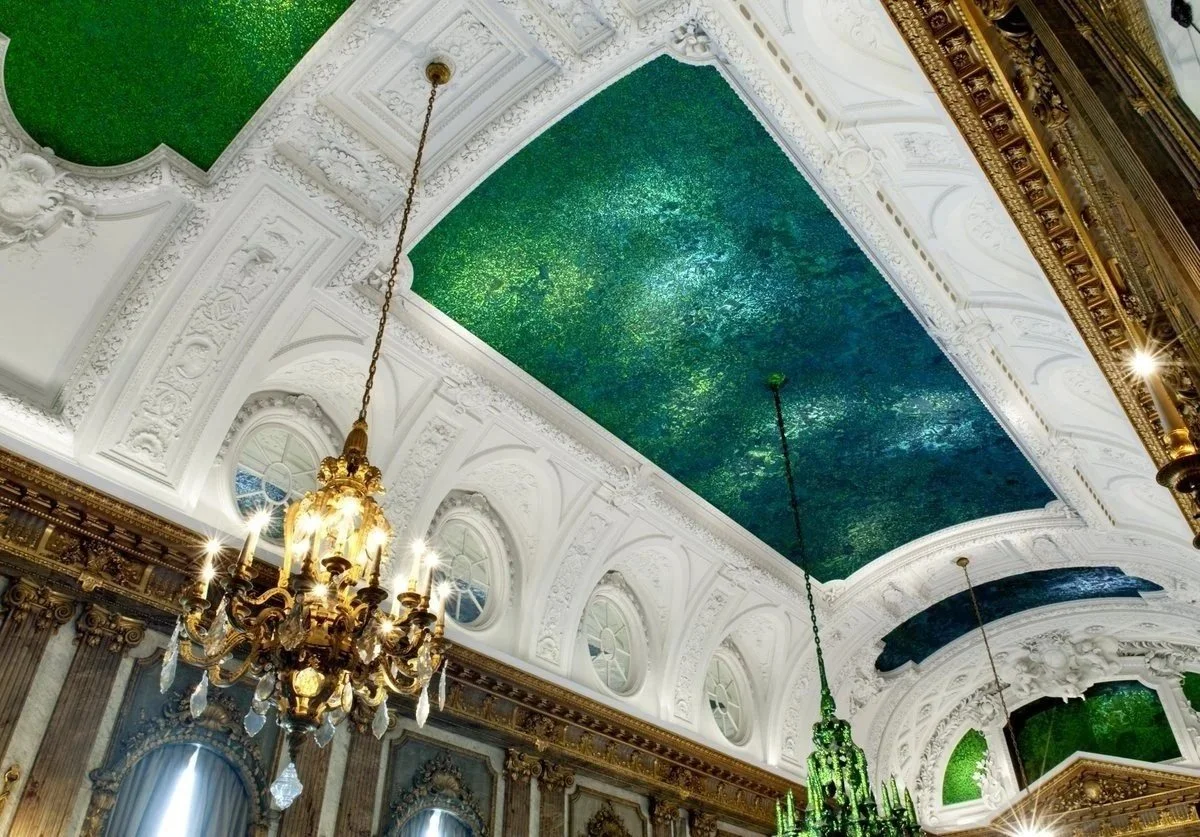
If you pause for a moment and look at what big hotel chains are doing, you’ll see they’re starting to copy and create sub‑brands under their umbrella that imitate startup models. But… and I hope I’m wrong… they’ll end up being museum brands. Because the problem lies in their DNA and in their slow implementation. Their top level is like the Sistine Chapel: beautiful to look at, but not something you’d want in your living room. Imagine all the maintenance… and add that it doesn’t resonate with the changes and redecorations over the years. That’s what they are: a museum.
Mid‑market and startups: agility and DNA
The management of a startup and mid‑market is, today, my favorite. When it flows, the system is agile. Many people say the industry changes quickly. I disagree. The industry evolves organically through sociological; political, technological, environmental and economic changes. The problem is that the corporate world waits five years for a “trend” to be safe, while the startup has already taken action.
In these companies:
Teams are dynamic.
They have a voice and a vote.
The DNA of the business makes people want to be there. Not because they’re “wooed” with Friday pizza they actually hate, but because the purpose is real.
The investor usually knows not only the C‑level, but even the waiters, which gives them a more realistic view of the business and how operations are lived on the front line.
The executing body: where structure really matters
This is where it gets sensitive. We cannot ignore a key factor: the base teams. Waiters, housekeepers, line staff. This is where Big Companies usually win by a landslide (when they do it well). They have the logistical capacity to offer what a startup sometimes forgets:
Stability and clarity: The executing profile sometimes doesn’t want “creative flexibility” or headaches. They want to know what they have to do, what their schedules and shifts are. They want structural stability, not the investor coming to the housekeeper and telling her to fix the email issue… without having any idea what he’s talking about or who she should ask, under the stunned gaze of an employee who doesn’t have email because she’s a housekeeper, not IT, and it slips his mind that for that he has a GM who already knows who to send the message to (the recipient) and ensures it happens successfully.
The housing challenge: Hotel chains already have in their DNA that if they open in a remote area or in tight markets like Mallorca or Ibiza, they must solve the housing problem for their team. The startup falters here: it finds flexibility for its C‑Level, but loses its executors because it lacks physical infrastructure. Focused on their C‑Level, they forget they also need someone to deliver the service and execute. Otherwise, you only have a nice photo of your ExCom in the office.
The question is not how to retain talent. The question is: Is my structure a living ecosystem or are we still painting Neanderthal caves?
Evolution is inevitable. You can keep talking about the same trends for another five years at FITUR, or you can start changing the dynamics of the process.
Do you feel your structure is slowing down the growth of your Hospitality or Wellness project?
We help companies transition to an agile and human ecosystem as part of their strategy. Let’s talk at www.mariangomez.com.

The Art of Resilience for Leaders: Flourish in the Hospitality, Tourism and Wellness Industry
In the last decade, few industries have been as hard hit and transformed as hospitality, tourism, and wellness. This article explores how leaders in these sectors have not only survived but thrived by embracing resilience as a core competency and a strategic business approach. It highlights the pivotal roles of strategic marketing, the Fractional CMO model, and strategic consulting in enabling brands to adapt, innovate, and connect with their audience amidst constant change.
In the last decade, few industries have been as hard hit and transformed as hospitality, tourism, and wellness. From global pandemics to economic crises, natural disasters, technological changes, and transformations in consumer values, sector leaders have navigated more than turbulent waters.
And yet, here they remain. What's the key to their success? Reinventing, sustaining teams, redesigning experiences and, in many cases, emerging stronger. They have achieved this through a competency that is no longer optional: resilience.
Why is resilience a critical topic today?
Because the unexpected is no longer the exception. It's the norm. Economic volatility, climate change, destination saturation, regulatory pressure, new consumption habits and digital acceleration have redefined the context. And in this context, leading is not just about resisting. It's about anticipating, adapting and evolving with purpose.
For sector leaders, resilience is not just an emotional or personal matter: it's a business strategy. And like any strategy, it can be designed, activated and strengthened with the right tools.
Strategic Marketing: Pivot, purpose and positioning
A resilient brand is not improvised. It's built with strategic vision.
Having a clear, adaptable, and purpose-oriented marketing strategy allows companies to:
Reposition their value proposition in the face of new realities.
Communicate with empathy and forcefulness in times of crisis.
Recover customer trust and strengthen their community.
Identify differentiation opportunities in saturated markets.
Strategic marketing acts as a compass: it aligns operations with vision and emotionally connects with increasingly demanding customers.
Fractional CMO: Flexible leadership, external perspective, real results
In uncertain contexts, many brands cannot afford a full-time Chief Marketing Officer. But what they cannot afford is not having leadership in marketing.
This is where the role of the fractional CMO comes in: a strategic figure, with senior vision, who joins as part of the team without the structural weight of a permanent hire.
With more than 15 years of experience working with hospitality and tourism brands, I have seen firsthand how companies that maintain strategic leadership in marketing manage not only to survive crises but also to turn them into growth opportunities.
As a boutique strategic and digital marketing agency, our approach as fCMO is precisely that: we help brands get their heads above water, recover long-term vision, and activate opportunities that perhaps are not being seen from within. Without losing the pulse of day-to-day operations, but with strategic perspective and a complete team behind us.
Strategic Consulting: Diagnosis, design and action
When we work with hospitality, tourism or wellness brands, we start with a premise: resilience is also designed. And for that you need:
Diagnose blind spots in the value proposition, communication or experience.
Design contingency scenarios (because plan B is no longer optional).
Detect innovation opportunities: new products, services, audiences or channels.
Strengthen the employer brand and care for the internal team, because a resilient company needs sustained people.
Real cases of resilience in action
Boutique hotel in Bali that transformed its communication to attract local tourism when borders closed - result: maintained 70% occupancy during the pandemic.
Wellness center in Mexico that digitized its services and today combines in-person and online therapies - grew its client base by 40% in two years.
Resort in Ibiza that bet on real sustainability and managed to position itself in front of an increasingly conscious traveler - increased responsible tourism by 60%.
These are not miracles. They are strategies activated with intelligence, sensitivity, and focus.
What about the team? The heart of resilience
Resilience is also cultivated from within. A strong, aligned, and cared-for team is the first shield against any crisis. And that is also part of strategic marketing. Communicating purpose, reinforcing internal culture, activating a sense of belonging, and caring for the team's emotional health are fundamental to building a sustainable brand.
Is your brand ready to flourish in the storm?
Resilience is not enduring. It's leading with vision and purpose in the midst of change. If you lead a hospitality, tourism or wellness brand and feel that the time has come to not only resist, but transform and advance, we help you design that resilience strategy that your brand needs.
Our services as a boutique agency specialized in Fractional CMO and Strategic Marketing are designed specifically for brands that want to grow with intelligence, empathy, and impact in this sector.
Do you want to discover the key points that are holding back your brand's growth? We invite you to schedule a free Quick Scan. It's a personalized session where we will delve into your business's challenges and opportunities to understand how we can help you build a truly resilient marketing strategy.
Schedule the free Quick Scan at Marian Gomez Consulting

Creative Tools for Tourism Marketing: A Practical Guide
Explore how digital architectures influence brand narratives in contemporary hospitality, emphasizing strategic choices. Marketing Strategy | Part-time Marketing Director and Consultant. Hospitality, Tourism, Wellness.
In the competitive tourism industry, the right digital tools can make all the difference in how effectively you communicate with potential guests. Selecting appropriate creative platforms isn't just about following trends—it's about finding solutions that truly enhance your brand's visual storytelling.
This guide presents practical digital tools that can strengthen your brand storytelling and maximize visual impact without requiring extensive resources. Created specifically for tourism and hospitality professionals, we focus on accessible solutions that deliver professional results even without a dedicated design team.
Intuitive Visual Editors
Tools like Canva and Adobe Express have made design more accessible to everyone, allowing teams without formal design training to create professional-looking materials. While these platforms are powerful and user-friendly, it's important to recognize their limitations—they can't fully replace the strategic thinking and creative expertise of professional designers.
These tools work best as practical resources for day-to-day marketing needs, complementing the more sophisticated work that might occasionally require professional design assistance. For hospitality businesses with limited resources, platforms like Canva and Adobe Express offer an excellent balance of quality and accessibility.
Professional Creative Suites
For tourism and hospitality brands seeking to create truly distinctive visual content, professional design suites offer advanced capabilities—but typically require design expertise to use effectively. These powerful tools are best utilized by trained designers or marketing team members with design experience.
Adobe Creative Cloud remains the industry standard for professional designers, with its comprehensive suite of specialized applications for everything from photo editing to layout design. For businesses working with freelance designers or agencies, this is likely what your design partners are using. Affinity Suite offers a more cost-effective alternative with similar professional capabilities and a one-time purchase model instead of subscriptions.
Unlike intuitive editors like Canva, these professional tools generally aren't suitable for team members without design training. If your business doesn't have in-house design expertise, you'll typically need to partner with professional designers or agencies to leverage these powerful tools effectively. Dynamic Narrative Platforms
Videographic content has transcended its optional status to become a fundamental language of contemporary communication. The ability to articulate experiences through dynamic sequences determines perceptual relevance in saturated markets. Premiere Pro offers unmatched technical depth, while CapCut provides extraordinary accessibility for teams with no prior experience in dynamic visual narratives.
Keep in Mind
Choosing the right digital tools isn't about using everything available—it's about selecting what truly works for your specific hospitality business and team capabilities. Start by honestly evaluating your resources, both financial and in terms of team skills.
Many tourism businesses make the mistake of copying competitors' marketing approaches without considering their own unique situation. What works for a large resort chain may not work for your boutique hotel or local tour company.
The best approach is to start small with tools your team can actually master, focusing on consistency rather than trying to create occasional high-end content that's difficult to maintain. In hospitality marketing, regular, authentic content that accurately reflects your brand will always outperform sporadic, sophisticated pieces in building lasting connections with potential guests.
Choose tools that match both your marketing goals and your team's realistic capabilities—this balance will lead to sustainable, effective visual communication that genuinely represents your hospitality brand.
Connect via email or LinkedIn . The journey toward more authentic engagement begins with a moment of strategic clarity, and I welcome the opportunity to contribute to yours without any investment beyond your time and perspective.

Marketing from the C-Level: Strategies that Transform Companies (Part 1/2)
From boardroom discussions to strategic transformation: discover how modern marketing has evolved from being a "necessary expense" to becoming the core driver of business success. Learn how data-driven decisions and strategic alignment are reshaping C-level marketing approaches in today's digital landscape.
Remember when marketing was just "making pretty ads"? I laugh every time someone mentions that phrase in a meeting. Marketing has evolved from being a "necessary expense" department to becoming the strategic engine driving business transformation.
After participating in multiple board meetings, I have seen how marketing has shifted from being a topic at the end of the agenda to becoming the center of crucial conversations in the boardroom. And it is no wonder: in a world where digitalization advances at lightning speed, how we connect with our customers defines the success or failure of our organizations.
Strategic Alignment: Beyond Immediate ROI
One of the most valuable lessons I have learned is that marketing cannot operate in a silo. In my experience leading teams, I have seen how successful companies are those where marketing is perfectly aligned with every aspect of the business, including each department.
Recently, in a quarterly meeting, a campaign was proposed that, on paper, promised spectacular results. However, something didn't align with our long-term vision. Instead of seeking quick success, we decided to redirect the strategy to align with our sustainability and international expansion goals. The result was surprising: we not only achieved our marketing objectives but also strengthened our position in key markets.
The key lies in understanding that each marketing initiative must answer three fundamental questions:
How does this contribute to our long-term vision?
How does it integrate different departments?
What real value does it bring to our customers?
The Digital Revolution: Data that Speaks, Decisions that Transform
"We need to be more digital," a board member once told me. My response was simple: "We do not need to be more digital; we need to be smarter with digital."
Digital transformation in marketing is not just about having a presence on every possible platform or collecting mountains of data. It is about making smarter decisions based on real, actionable information.
In one of our recent projects with a hotel holding company, we implemented an advanced analytics system that helped us discover our most valuable customers weren't who we thought they were. This insight triggered a complete shift in our marketing and sales strategy. We redesigned our customer journey, adjusted our messaging, and most importantly, started speaking the language of our true ideal customers.
Digital transformation in executive marketing involves:
Investing in technology that truly adds value, not just the latest trend
Developing a data-driven mindset across the executive team
Maintaining humanity in our digital interactions
The Power of Data in the Boardroom
One of the most significant changes I have experienced is how data has transformed our C-Level conversations. We do not discuss opinions or hunches; we talk about real customer behaviors, verifiable trends, and measurable results.
I remember a particularly tense meeting where we were debating annual budget allocation, presenting a detailed multichannel attribution analysis that not only justified current investment but clearly identified where each dollar generated the greatest impact. It was a revealing moment for the entire executive team.
True transformation occurs when data stops being numbers in a presentation and becomes the foundation for strategic decisions that drive growth.
Looking Ahead
If you found this article interesting, next Tuesday I will share the second part, focused on building and leading high-performance marketing teams, the KPIs that really matter at the executive level, and how to prepare our organizations for the future of marketing.
Marketing from the C-Level is not just about campaigns and metrics; it is about transforming entire organizations to thrive in an increasingly digital and connected world. The question is no longer whether we should transform, but how quickly we can do it without losing our essence in the process.
Let’s connect!

Strategic Holiday Marketing: Why Less is More in Tourism, Wellness & Luxury Travel | Expert Guide
Not every holiday deserves your marketing attention. Learn how successful tourism and wellness brands maximize impact by selecting strategic moments that truly matter.
Every year, the marketing calendar fills up with endless opportunities – Halloween, Black Friday, Christmas, New Year's Eve, Valentine's Day, and the list continues. But here is a truth I have learned over 16 years in tourism marketing: not every holiday needs your attention. The key lies in strategic selection and meaningful execution that aligns with your brand essence and creates lasting impact in the luxury travel and wellness industry.
The secret is not about jumping on every holiday bandwagon – it is about creating meaningful moments that align perfectly with your brand essence and resonate deeply with your audience. Whether it is through community engagement, client retention, or signature experiences, success comes from strategic selection and exceptional execution in the luxury tourism and wellness sector.
The Power of Perfect Alignment: My Los Cabos Christmas Kayak Campaign
Let me share one of my proudest achievements in holiday marketing. While leading the marketing strategy for an eco-tourism company in Los Cabos, I conceptualized and executed a unique Christmas event that transformed our signature kayak tours into an international sensation. The concept? A Santa Claus kayak race where participants received Christmas-themed shirts, hats, and beards to compete in the bay.
Working alongside my marketing team, I developed a campaign that achieved multiple strategic objectives:
Showcased our flagship product in an unforgettable way
Created a community event that generated massive organic PR
Delivered social impact by donating all proceeds to a local elderly home
Achieved zero-cost execution through my strategic partnership development with local sponsors
Generated international media coverage across Mexico, USA, and Canada
The success of this campaign came from my approach to community engagement: I secured local photographers to cover the event, coordinated with the Red Cross for safety support, and arranged military presence to secure the bay. Through careful planning and stakeholder management, what started as a marketing initiative became a beloved Los Cabos community celebration that significantly strengthened our brand's position in eco-tourism while spreading holiday joy.
Strategic Client Retention: A DMC's Christmas Triumph
In another successful project, working with a prominent destination management company in Southern California, I developed a different approach to their Christmas campaign. Instead of pushing for new bookings, we focused entirely on client retention. The strategy? Personal video messages from local tour guides to past clients, sharing upcoming year highlights and exclusive early-booking benefits.
The results? A remarkable 78% client retention rate, with previous customers not only rebooking but upgrading their packages for the following year. This approach transformed a typically slow booking period into a relationship-strengthening opportunity that continues to deliver results year after year.
Supporting Success Stories in Luxury Travel and Wellness
Other industry leaders I have worked with demonstrate similar strategic focus:
A wellness retreat in Bali concentrates solely on New Year transformation programs, achieving 45% of annual bookings during this period
An exclusive beach club in Dubai creates signature events only for selected dates, turning them into must-attend celebrations
A luxury spa in Melbourne focuses exclusively on winter solstice wellness experiences, avoiding the noise of standard holiday promotions
Looking to Refine Your Holiday Marketing Strategy?
If you are wondering which holidays deserve your marketing attention and how to make them count, let us talk. With over 16 years of experience in tourism and wellness marketing across continents, I can help you:
- Identify your most impactful marketing moments
- Create strategies that resonate with your target audience
- Develop innovative campaigns that drive real results
- Build lasting relationships with your clients
- Design experiences that generate organic PR and community engagement
Ready to make your holiday marketing more strategic and impactful? Let us connect for a consultation and explore how we can transform your approach to seasonal promotions in the luxury tourism and wellness industry.
Contact me to discuss how we can make your next holiday campaign your most successful yet.