
Why Luxury Rebrands Fail Quietly
Luxury hospitality and longevity assets don't just need another marketing campaign; they need unshakeable brand DNA and precise strategic architecture. Discover how fractional leadership and strategic advisory transforms high-end properties, aligns operations, and scales global positioning for the ultra-luxury market.
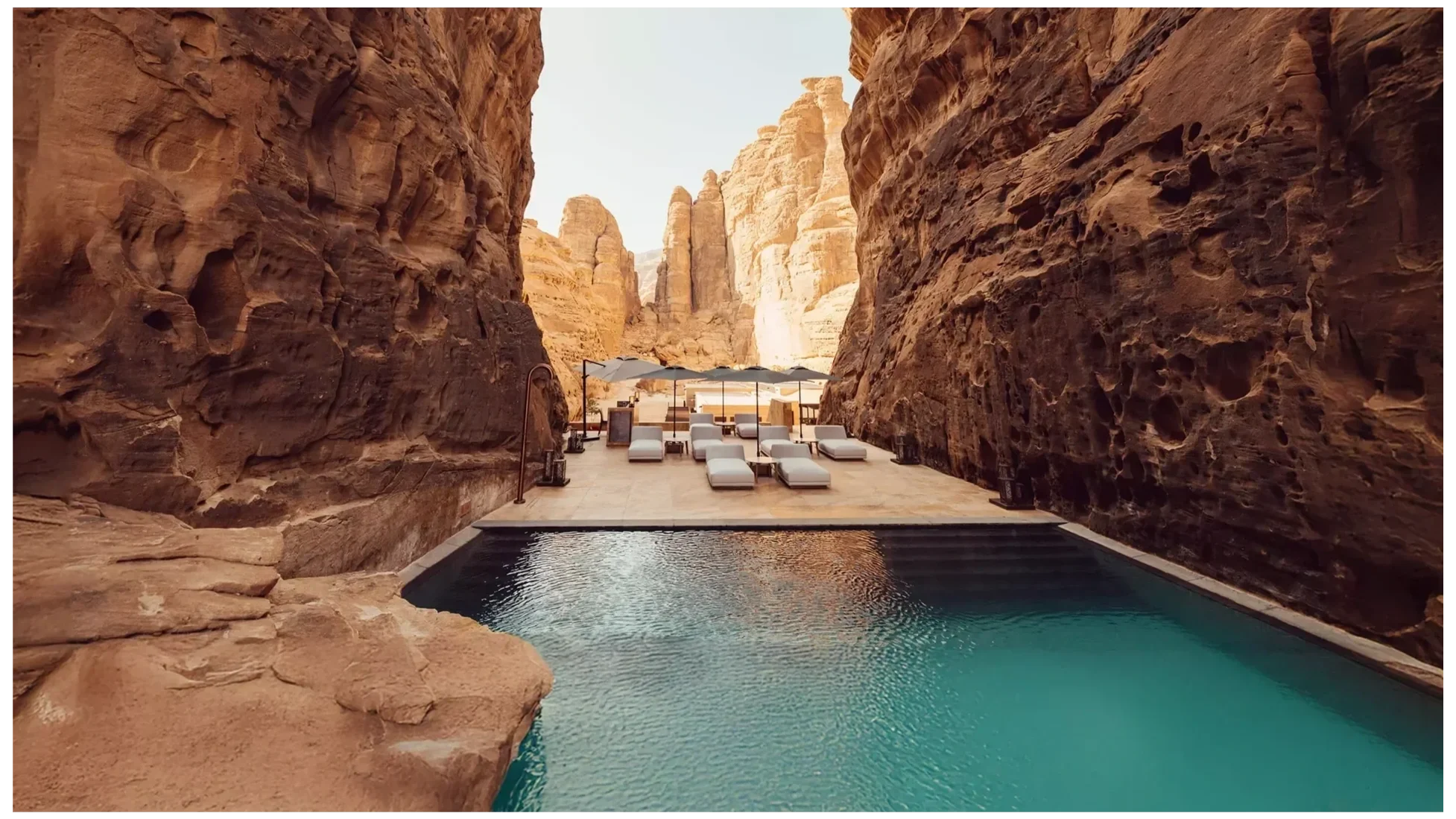
Visual architecture: Banyan Tree AlUla, Ashar Valley.
The distance between a commercial asset and an iconic brand is rarely a question of budget. It is conceptual coherence.
When I take on the strategic direction of a repositioning or the full conceptualization of a new project, the mandate is usually singular. Transform how the product is perceived. Elevate its narrative to global luxury standards. Build the internal structure capable of sustaining that growth without breaking under it. This is the terrain that work touches.
The symptom is clear. The cause, not always
When a client calls, in most cases they have already identified their pain points. Occupancy is not where it should be. ADR is not moving. The launch has not gained traction. The team is scattered. The brand never quite consolidated. Like someone reading their own symptoms, they research, try a few things on their own, attempt partial fixes.
Then there is another kind of call. Owners, investors, and leadership teams planning a launch, a relaunch, or an expansion. Here there is less pain and more strategic uncertainty. Open new properties. Enter new markets. Reposition an asset. What they need is a clear read on how to do it without putting the brand, the reputation, or the investment at risk.
In both cases, as in medicine, identifying the symptoms is only the first step. The precise diagnosis and the right treatment require another kind of look.
Most of the time, the question is not effort. It is capacity. Internal teams are not always built with the expertise or the time this specific work requires, and that is not a failure on their part. It is a question of expertise and time, not headcount. Companies bring me in to help their teams operate at this level. Not to become one of them.
A diffuse positioning. A confused brand architecture. An organizational structure that cannot hold the strategy. A narrative that does not connect with the right guest. The absence of a clear roadmap for a launch or expansion. An audiovisual identity quietly positioning the brand in the wrong direction.
It is not about having a videographer who shoots well. It is about whether the storytelling says the same thing across every channel, whether the message is diluted, or worse, whether it communicates something entirely different from what the brand is meant to be.
My role is not to execute what the client thinks they need. It is to make the correct diagnosis, identify the actual root cause, and design the parameters for a strategy that makes commercial and brand sense from there. That sometimes means not doing what the client asked for at first, but what the project actually requires to work over the long term.
In luxury hospitality, as in medicine, the value is never in prescribing quickly. It is in diagnosing correctly and designing the right treatment.
One ecosystem, not a menu of services
Repositioning a brand does not end with narrative. It has to convert. Paid campaign strategy, execution and optimization running in parallel across local and international markets, targeting the highest performing source markets for that category. High level strategic alliances that place the asset inside some of the most exclusive travel distribution networks in the world. Public relations coordinated with press agencies for the creation, oversight, and global distribution of materials. Every external vendor, from production companies to photographers, under direct creative supervision, because coherence at this level cannot be delegated without oversight.
Strategic Takeaway for Asset Managers: A rebrand that looks finished on the surface but has no unified oversight across paid media, PR, and content production will fragment within the first eighteen months. The fracture rarely shows up in the campaign. It shows up in the P&L.
None of it holds without the narrative and the identity behind it. Tone, copy, and target audience definition sit at the center of a repositioning, not as a slide in a deck, but as the filter every sentence has to pass through. The visual narrative carries equal weight. Shoot direction, framing, atmosphere, pacing, wardrobe. Strategy without a coherent visual language does not travel. It has to be built by the same hand, or the repositioning fractures at the first point of contact. Brand authorship and strategic coherence have to survive even when external agencies or internal teams later step in to execute. That is what Strategic Architecture™ and a disciplined approach to brand enhancement are built to protect.
Other projects start from an existing logo and need a full visual universe around it. An identity that changes depending on the platform is not an identity. It is a set of assets waiting to be unified. Both scenarios rest on the same brand architecture, paired with a strategy for collaborations and alliances built to survive contact with every channel without losing its core.
And none of it converts if the path a guest actually follows does not carry the same coherence. Every touchpoint gets weighed on its own terms: genuine user journey development from the first search to the confirmed booking, not just what a page looks like. What earns a place in the main menu, what moves to a secondary layer, and what does not survive the cut. Naming those sections carries equal weight. A label sets an expectation of what sits behind it, and a mismatch between the two erodes trust before a single price is shown.
Operational engineering, C-level advisory, and organizational structure
A repositioning does not hold if the internal structure behind it cannot sustain the same standard. This is where many luxury rebrands fail quietly, long after the campaign has launched. Workflow redesign and digitalization tools across departments come next. Then the Marketing, Sales, and Reservations organizational chart, rebuilt from the ground up. Talent acquisition and HR support, new professional profiles, a headhunting network activated for the right people. I set the standard and audit against it; I do not sit inside the org chart as headcount. At the top, C-level advisory covering global target audience definition and the annual marketing and commercial budgets that sustain the strategy over the long term.
How long this takes depends on the brand, its position, and its stage. Some transformations take twelve to twenty four months to become fully integrated. Others, with a mature leadership team already in place, close the gap in six months. Some commercial signals move within weeks—a paid campaign realigned, a booking path corrected, a stalled conversation with a distribution partner reopened. Those early wins matter, but they hold only if the architecture underneath is built to sustain them. Duration is a function of readiness, not ambition. What matters is whether the new standards hold under pressure and keep compounding value over time.
None of this is delivered as a document. There is no strategy handed over as a PDF, filed away, and left to the client to interpret. I stay through implementation, alongside the team to guide, until the standards are running on their own or the project has reached the ceiling of what that phase can hold.
If you are considering opening, relaunching, or positioning a luxury hospitality or wellness brand:
Founders, investors, and leadership teams inside a holding, group, or portfolio, in a pre-opening, relaunch, or repositioning phase, is where this work lives. Positioning and value proposition through target audience definition. Brand and experience architecture across rooms, F&B, memberships, rituals. Verbal and visual narrative rebuilt through brand enhancement and content creation. Marketing, sales, and bookings structure, roles, processes, team formation. Fractional CMO and Strategic Advisory connecting the C-level vision to tactical execution across paid media, PR, and luxury alliances.
I work directly with holdings, groups, and portfolios across hospitality and wellness, from my base in Bali with a strategic axis running through Europe. If it makes sense to talk through your project, you can reach me through my services page.
I am Marian Gómez, the Founder of Marian Gomez Consulting, a boutique strategic advisory for luxury hospitality, wellness, and tourism brands and holdings, based in Bali, advising clients across Asia, Europe, and the Americas. I publish around the 15th of each month in this blog, sometimes a few days earlier, sometimes later, and occasionally outside that cadence when something worth saying surfaces in the industry. What you will find here leans more didactic and deliberately deep, not written for general consumption, but for those who operate at the level where these distinctions matter. For more applied, day-to-day thinking and a slightly sharper sense of humor, find me at The Brand Architecture, a publication written for founders, investors, and leadership teams in luxury hospitality, with a strategic lens on wellness, travel, tourism, and longevity. Not about ideas, but about two decades of expertise in brand and marketing strategy across luxury hospitality, tourism, and wellness.
You can subscribe to The Brand Architecture directly on Substack. It is free, and it is the only way to receive new pieces as they publish.

Social Responsibility in Summer: A Moment to Rethink Tourism and Wellness with a Regenerative Purpose
Explore the transformative power of regenerative tourism and wellness. This article reveals inspiring examples, including Bambu Indah, Radisson Net Zero, The Brando, and Singapore’s coral restoration, while offering strategic steps to position your brand as a sustainable industry leader through authentic CSR and innovative zero waste practices.
More Than Marketing: The Authenticity Your Brand Needs
Corporate social responsibility cannot be just a pretty slogan or a simple checklist. For hotels, resorts, and wellness centers—industries intimately tied to nature and human well-being—CSR must be embedded in the very DNA of strategy and decision-making.
How many times have you seen ecological promises that seem superficial? Greenwashing not only damages reputation but also erodes trust among clients, investors, and teams. That’s why coherence and courage to align words with actions are the true differentiators.
From Mitigation to Regeneration: The New Horizon for the Industry
Today, merely avoiding harm or consuming less is no longer enough. The standard has changed and challenges us to go beyond: to regenerate. To restore ecosystems, strengthen local communities, and innovate to close loops, making sure every action gives more than it takes.
What if instead of only caring, we sought to leave our destinations better than we found them? That is regeneration: an active commitment to positive transformation.
What Does Regeneration Mean in Practice?
Regenerative strategies in tourism can be summarized in five inspiring and actionable focus areas:
Rehabilitation and restoration of terrestrial habitats
Marine regeneration and ocean protection
Partnerships with local communities and authentic cultural respect
Zero Waste and responsible food management
Circular operations and holistic well-being (employees and community)
Leading the Way
Bambu Indah (Bali): Holistic Regeneration and Living Architecture.
This innovative project uses local bamboo and reclaimed wood to build sustainable structures, integrates permaculture that provides food for onsite consumption, and employs natural water filtration systems. It also trains staff and guests in sustainability with initiatives like “trash walks,” fostering a direct connection to an authentic regenerative living experience.
Radisson Net Zero (Manchester & Oslo): Certified Zero Emissions Hotels
Both hotels operate 100% on renewable energy and are independently certified Net Zero for scope 1, 2, and 3 emissions. They stand out for responsible supply chains using regenerative agriculture products and digital, efficient waste management, all without compromising comfort or premium guest experiences.
The Brando (French Polynesia): A Restored and Self-Sufficient Ecosystem
A pioneer in energy self-sufficiency (70% solar plus generators powered by locally produced coconut oil) and deep seawater air conditioning (SWAC) systems drastically reducing energy consumption. They recycle 100% of wastewater, protect island biodiversity, offer educational experiences on conservation and sustainability, and hold LEED Platinum certification.
Singapore: Marine Regeneration and Civic Awareness
Beyond hotels, regeneration encompasses oceans. Singapore is a stellar example, not only for urban green integration but also for ambitious coral reef restoration projects. Through initiatives restoring reefs, educating residents and visitors right on its beaches, and supported by corporate partners, Singapore shows how marine regeneration can engage and inspire an entire metropolitan community.
Zero Waste in Hotels: Innovation in Food Management
Chains like Six Senses and many leading independent hotels implement Zero Waste policies in food management. From precise demand forecasting to reduce surplus, transforming leftovers into compost, and donating edible excess, these programs minimize waste, optimize costs, and enhance reputation. Offering creative, seasonal menus based on locally sourced products, alongside staff and guest training, reinforces the commitment to conscious and circular hospitality.
These initiatives demonstrate that luxury hospitality and advanced sustainability can go hand in hand, combining terrestrial and marine regeneration, radical waste reduction, and genuine well-being where every action counts, and each project can leave a real positive impact.
The opportunity to leave a positive legacy is here with passion, strategy, and action. Let’s talk and make your project an inspiring, transformative example.
Marian Gomez
Marian Gomez Consulting
Fractional Chief Marketing Officer & Strategy Consultant
Boutique Agency | Hospitality, Tourism & Wellness Industry
www.mariangomez.com

Why Leading Tourism Brands Are Already Implementing These Strategies
Discover the 4 key strategies successful tourism and hospitality brands are using now: from immersive wellness to AI personalization, authentic storytelling, and sustainability. Learn how to apply these to lead your market.
The tourism and hospitality sector is undergoing its most significant transformation in decades. While some brands struggle to adapt, others are already capitalizing on the trends defining the industry's future. The difference lies not in budget, but in strategy.
As a specialized marketing strategy consultant in hospitality, tourism, and wellness at Marian Gomez Consulting, I've identified four key trends that leading brands are implementing now to stay competitive and build deeper connections with their clients.
Immersive Integration: Travel and Wellness in Unison
According to the Global Wellness Institute, 76% of global travelers seek experiences that combine tourism and wellness. It's no longer just about a separate hotel or wellness center. Successful brands are creating integrated ecosystems where every touchpoint contributes to the guest's well-being.
Hotels like Six Senses, resorts like COMO Hotels, and the exclusive Aman chain have revolutionized their offerings by combining yoga retreats, functional gastronomy, outdoor adventures, and personalized therapies. The result: guests willing to pay up to 40% more for transformative experiences.
How you can leverage this: My strategic consulting helps hotels, resorts, and tour operators design and communicate these integrated experiences, creating value propositions that justify premium pricing and generate long-term loyalty.
Personalization Driven by Data and Artificial Intelligence
Industry studies show that AI-powered personalization programs increase customer satisfaction by up to 23% and direct sales by up to 15%. Personalization is no longer optional; it's the basic expectation of the modern consumer.
Leading brands use data to anticipate needs, from recommending travel experiences based on previous behaviors to adjusting room temperature before a guest's arrival. This technology allows for the creation of connections that feel human, even if they are driven by algorithms.
How you can leverage this: My expertise in brand auditing and digital marketing guides businesses to implement personalization solutions ethically and effectively, optimizing both the customer experience and the ROI of their technological investments.
Authentic Content and Human Storytelling
In a world where 92% of consumers trust peer recommendations more than traditional advertising, successful brands have pivoted towards authentic narratives. Airbnb built a $75 billion empire primarily through real stories from its hosts and guests.
User-generated content and emotionally connecting narratives are no longer supplementary tactics; they are the core strategy. Brands that master this space understand that they don't sell services; they sell transformations.
How you can leverage this: My expertise in helping brands discover their unique voice is key here. I develop content strategies that transform service experiences into powerful stories, building trust and emotional connection that translates into loyalty and organic recommendations.
Sustainability and Purpose: The New Competitive Standard
Booking.com reports that 83% of travelers consider it important to stay in sustainable accommodations, and 61% are willing to pay more for it. Brands leading the sector no longer view sustainability as a cost but as a competitive advantage.
Patagonia, while not a pure tourism brand, demonstrated that a clear purpose can generate unwavering loyalty. In tourism, brands like Intrepid Travel have built their differentiation entirely around responsible travel and have seen 300% growth in five years.
How you can leverage this: My expertise in brand repositioning helps integrate sustainability and purpose into the core of business strategy. Not as a cosmetic addition, but as a fundamental pillar that attracts today's conscious customer and builds brand value for tomorrow.
The Competitive Advantage Is in the Execution
These trends represent more than market shifts; they are opportunities to create sustainable competitive advantages. Brands that implement them now will be defining the standards that others will follow tomorrow.
Is your brand ready to lead instead of follow? At Marian Gomez Consulting, we transform these trends into concrete strategies and measurable results.
Schedule a free strategic consultation and discover how to apply these strategies to your specific business. Because the future of tourism is already here, and successful brands are already living it.
___________________________________________________________________________________________________
Photo credit: Antonio Araujo @antonioaaaraujo