

The Architecture of Silence: Why Quiet Luxury Hospitality is an Operational Decision
From a personalization misstep in Ibiza to flawless execution in Mumbai. A strategic deep dive into the invisible infrastructure that separates properties that simply execute processes from those that build legendary brands. Inside: the blueprint for designing seamless, un-orchestrated micro-moments. Why the most sophisticated CRM in the world can’t save a flawed luxury experience. An analysis of the fine line between personalization and invasion, and why true quiet luxury is never an aesthetic choice—it is an operational blueprint. Discover how to turn data into genuine care rather than mere "theatre.” Marian Gomez Consulting - Strategic Advisory and CMO for luxury hospitality, wellness and longevity brands.
At Marriott, every member of the operations team carried white cards with notes. It was a rule that crossed all ranks: any detail, gesture, or preference captured had to be uploaded to the CRM immediately to build the brand's collective memory. The system ran so deep it included the internal team. If I visited one of our hotels, they already knew what I ate, what I avoided, and the exact temperature I wanted in my room.
The hospitality and tourism architecture also taught me where the limit is. I remember arriving at the hotel and finding my own Instagram photos printed and framed in my room. On the desk. On the nightstand. That extreme personalisation, far from making me feel cared for, felt invasive. It was the day I made my account private.
The mistake luxury brands make today
Many brands confuse experience with saturation. They believe that to impress the luxury client they need layers: events, gestures, noise. They are wrong.
The luxury client already lives saturated by default. What they are looking for is not more. It is less friction, more ease, and an anticipation that respects their space. They do not need an event designed for them. They need the experience itself to become one. That happens when the hotel has defined, with surgical precision, a series of micro-moments distributed across the journey: at check-in, in the restaurant, at the spa, at departure. Moments that to the client feel spontaneous, natural, unorchestrated. But they are. Each one has its place, its timing, its purpose. The art is in making sure it never shows. And in making the client feel that each of those moments was created exclusively for them, naturally, almost inevitably, even though an entire architecture made it possible.
Quiet luxury is not an aesthetic. It is an operational decision: to build systems so precise that the client never has to ask for anything, or notice the effort.
Technology as skeleton, the team as judgment
A flawless CRM and ultra-efficient internal communication are the nervous system of any luxury operation. But technology is not the destination. It is what frees the team to do the one thing a machine cannot: decide.
Decide when to use a piece of data and when to hold it. When to anticipate and when to step back. When information becomes care and when it becomes surveillance.
That distinction does not live in the software. It lives in training, in internal culture, in whether HR treats knowledge as a strategic asset or as a box-ticking onboarding exercise.
Mumbai: what looks like magic has architectural blueprints
A few months ago I twisted my foot at the Taj Mahal Hotel in Mumbai. The hotel did not simply hand me a wheelchair.
The person assigned to my stay approached without me saying a word and asked for my flight number. Just that. From that moment, he became something better than the genie in Aladdin's lamp: he orchestrated in silence what would have been a chaotic return. He coordinated with the airline, arranged a private reception at the airport to avoid queues, handled my check-out while I rested. At no point did I have to ask for anything.
On the day I left, he was waiting for me in the car alongside the driver. Not to resolve anything; everything was already resolved. He was there to say goodbye and wish me a safe journey home. I was not expecting it. I did not need it. But in that gesture was everything: the difference between a hotel that executes processes and one that understands that luxury ends when you disappear from the car park, not when you check out.
That is not improvisation. It is the result of processes so deeply internalised that the team can act with freedom and with elegance within them.
Quiet luxury is coherence, not decoration
For the luxury client, personalisation is not about adding layers. It is about removing them.
The most sophisticated CRM in the world is useless if, after noting that you are allergic to fish, they welcome you with oysters and champagne. Warmth without operational coherence is not luxury. It is theatre.
True quiet luxury is not designed. It is built. Built in processes, in training, in the culture of a team that knows how to read the journey and find the moments. Those instants where the client does not receive one more service, but lives something they did not expect and will not forget. Not because someone improvised with good intentions, but because an entire architecture was prepared for it to happen.
That is what turns a stay into an event. And an event into a brand.
I'm Marian Gomez, Fractional CMO, Strategic Consultant and founder of Marian Gomez Consulting. I work with founders and investors in luxury hospitality, wellness, and tourism to build the strategic architecture their brands need to scale and for their teams to finally fly.
Note: Most articles there, around 95%, are exclusive to the Marian Gomez Consulting blog. On Substack at The Brand Architecture · Marian Gomez you will find the same strategic thinking, but with a slightly dryer sense of humor and a little less polish.
Your Hospitality Structure is Suffocating Your Talent
Stop running 2026 operations on 1990s software. Learn why archaic corporate structures are suffocating growth in Wellness, Longevity and Hospitality, and how to transition toward an agile, high-performance ecosystem.
For years I’ve been seeing the same posts on social media, opinion pieces and expert conferences lamenting the same thing we’ve heard for the last five or seven years (maybe more). Talent retention, how we need to “woo” employees, how people don’t want to work in hospitality anymore…
The problem is not the people. The problem is that the system is 1990 software trying to run in a 2026 world. The system is obsolete.
The Prophet Antonio
Back then, my boss —the General Manager, a funny guy who knew the trade from the ground up and had only a couple of years left before retirement— used to tell me between laughs: "Marian, the problem is there are too many chiefs and not enough Indians." I don’t know if he was related to Nostradamus, but the structure has definitely become unsustainable.
Big Corporates: the game of internal PR
In the C‑Level and management of established companies, a dangerous game has taken root: internal PR. The structures are so archaic they look more like political parties fighting for the next candidacy than high‑performance teams.
More energy is spent “navigating” the hierarchy than innovating.
Silos are created where information doesn’t flow.
The result: the structure burns the best people.
Unless the CEO truly wants to change the dynamics, this won’t change. Middle management —the ones who actually move the operation— are exhausted pushing against a wall of bureaucracy more interested in taking photos for the press than in doing anything for the company.
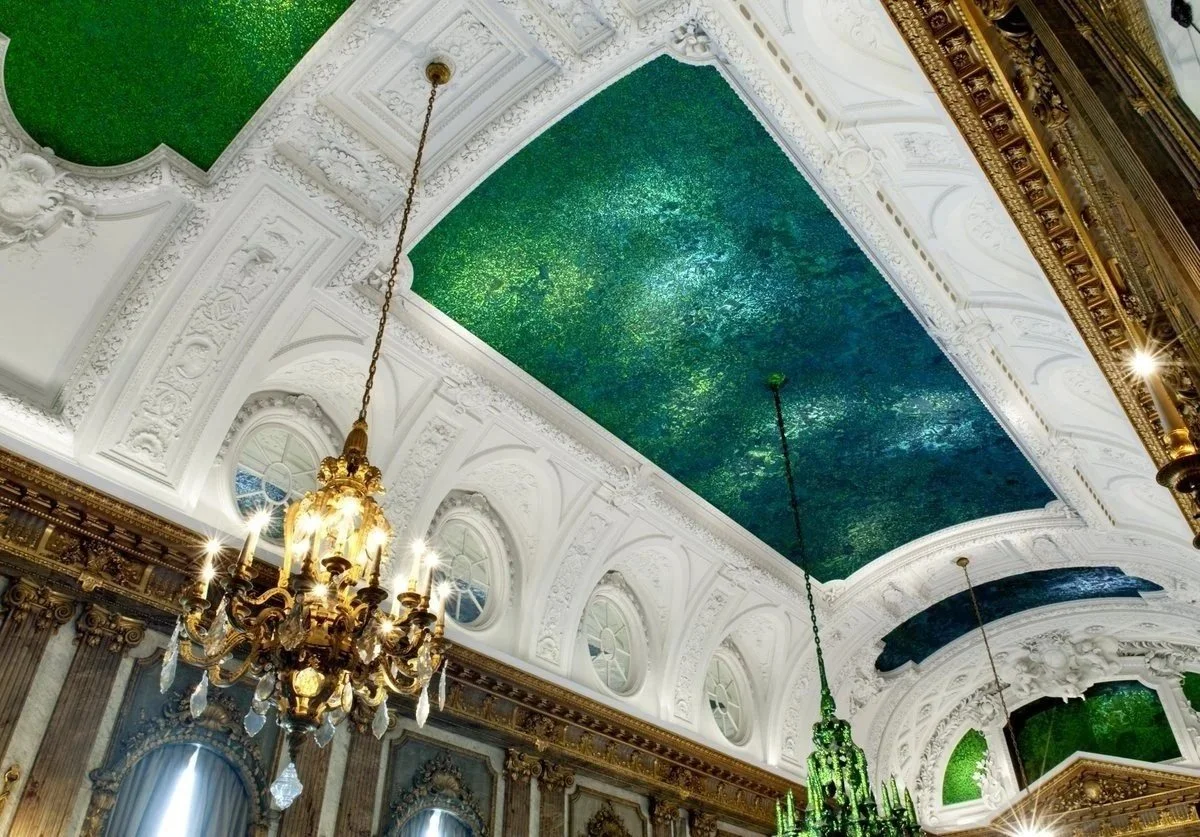
If you pause for a moment and look at what big hotel chains are doing, you’ll see they’re starting to copy and create sub‑brands under their umbrella that imitate startup models. But… and I hope I’m wrong… they’ll end up being museum brands. Because the problem lies in their DNA and in their slow implementation. Their top level is like the Sistine Chapel: beautiful to look at, but not something you’d want in your living room. Imagine all the maintenance… and add that it doesn’t resonate with the changes and redecorations over the years. That’s what they are: a museum.
Mid‑market and startups: agility and DNA
The management of a startup and mid‑market is, today, my favorite. When it flows, the system is agile. Many people say the industry changes quickly. I disagree. The industry evolves organically through sociological; political, technological, environmental and economic changes. The problem is that the corporate world waits five years for a “trend” to be safe, while the startup has already taken action.
In these companies:
Teams are dynamic.
They have a voice and a vote.
The DNA of the business makes people want to be there. Not because they’re “wooed” with Friday pizza they actually hate, but because the purpose is real.
The investor usually knows not only the C‑level, but even the waiters, which gives them a more realistic view of the business and how operations are lived on the front line.
The executing body: where structure really matters
This is where it gets sensitive. We cannot ignore a key factor: the base teams. Waiters, housekeepers, line staff. This is where Big Companies usually win by a landslide (when they do it well). They have the logistical capacity to offer what a startup sometimes forgets:
Stability and clarity: The executing profile sometimes doesn’t want “creative flexibility” or headaches. They want to know what they have to do, what their schedules and shifts are. They want structural stability, not the investor coming to the housekeeper and telling her to fix the email issue… without having any idea what he’s talking about or who she should ask, under the stunned gaze of an employee who doesn’t have email because she’s a housekeeper, not IT, and it slips his mind that for that he has a GM who already knows who to send the message to (the recipient) and ensures it happens successfully.
The housing challenge: Hotel chains already have in their DNA that if they open in a remote area or in tight markets like Mallorca or Ibiza, they must solve the housing problem for their team. The startup falters here: it finds flexibility for its C‑Level, but loses its executors because it lacks physical infrastructure. Focused on their C‑Level, they forget they also need someone to deliver the service and execute. Otherwise, you only have a nice photo of your ExCom in the office.
The question is not how to retain talent. The question is: Is my structure a living ecosystem or are we still painting Neanderthal caves?
Evolution is inevitable. You can keep talking about the same trends for another five years at FITUR, or you can start changing the dynamics of the process.
Do you feel your structure is slowing down the growth of your Hospitality or Wellness project?
We help companies transition to an agile and human ecosystem as part of their strategy. Let’s talk at www.mariangomez.com.
Brand Expansion Roadmap: A Strategic Path for Growth in Luxury Hospitality, Tourism, and Lifestyle
Growth in luxury hospitality and lifestyle demands a strategic roadmap, not just incremental bookings. A well-crafted Brand Expansion Roadmap identifies new geographic markets, service extensions, or adjacent segments that reinforce core identity while diversifying revenue. It's the essential framework for a CMO to expand your brand and protect exclusivity.
Beyond Incremental Growth: The Vision for Expansion
Growth in luxury hospitality and lifestyle is not just about securing a few more bookings or increasing short-term revenue. True expansion requires a deliberate, strategic roadmap that identifies new geographic markets, innovative service extensions, or adjacent segments that align authentically with the brand’s core.
A well-crafted Brand Expansion Roadmap allows brands to diversify revenue streams while reinforcing their core identity and values — protecting exclusivity even as they multiply touchpoints. This balance is vital in luxury markets where brand dilution poses a real risk when expansion is poorly planned or executed.
Defining the Right Opportunities
The journey of brand expansion begins with a deep understanding of both the brand’s essence and the evolving lifestyle preferences and expectations of its target clientele. This includes assessing:
Emerging luxury destinations or underdeveloped markets with growing affluent populations seeking bespoke experiences.
New product or service offerings that complement existing portfolio elements and elevate the brand promise.
Adjacent categories where the brand’s identity and operational strengths can translate into competitive advantages.
For example, a luxury resort might explore branded private residences or curated wellness retreats as natural extensions. Each must be evaluated for authentic fit, market demand, and synergies with the existing brand ecosystem.
Sequencing and Timing for Sustainable Growth
A strategic roadmap sequences expansions to optimize market impact and operational excellence. Prioritizing initiatives based on rigorous market analysis, competitor benchmarks, and internal capabilities ensures that growth is measured and scalable.
Early wins should consolidate brand authority in key segments, building momentum and financial capacity for future, potentially riskier, expansions. This staggered approach safeguards brand reputation and ensures consistent customer experience standards.
Preserving Brand Integrity and Exclusivity
Expansion in luxury demands uncompromising attention to detail and quality. Every new market entry or product line must embody the brand’s distinctiveness and exclusivity.
This requires maintaining stringent controls over partner selection, service delivery, and communications, so that every touchpoint reflects the brand’s prestige. A Brand Expansion Roadmap is also a framework for governance, helping teams align on strategic intent and execution rigor.
Leadership Perspective: Orchestrating Growth with Strategic Foresight
From the vantage point of a CMO specialized in luxury hospitality and lifestyle, the Brand Expansion Roadmap is a dynamic tool that integrates market opportunities with brand stewardship. It demands both visionary foresight and tactical discipline, continuously calibrated against evolving market trends and consumer behaviors.
This roadmap empowers leadership teams to expand with confidence, transforming the brand from a luxury destination or service into a diversified lifestyle ecosystem with enduring appeal, resilience, and profitability.
This article is part 4 of my 5-part methodology series outlining how leading luxury brands architect sustainable growth. To revisit the foundational steps, explore:
Step 2: Media Portfolio Architecture
Step 3: Ecosystem Partnership Strategy
For brands seeking strategic marketing leadership, I offer Chief Marketing Officer (CMO) services that design and lead adaptive growth ecosystems tailored to luxury hospitality, tourism, and lifestyle businesses. Discover more at: CMO Services | Marian Gomez Consulting.
A strategic Chief Marketing Officer (CMO) designs and leads growth ecosystems, continuously adapting strategy to market dynamics and business goals. For luxury hospitality, tourism, and lifestyle brands, this leadership is essential to rise above the noise and build long-term value.
For deeper insights and practical case studies on transforming your marketing strategy, explore my blog with advanced hospitality and tourism marketing approaches:
Explore Hospitality & Tourism Marketing Strategies
This is part 4 of my 5-part methodology series. Next week, don’t miss the final installment: 5. Revenue Strategy from Marketing, where we link marketing initiatives directly to financial performance metrics to optimize profitability.