

The Mandatory Line Every Pre-Opening Budget Needs to Include
Operating globally from Bali for investment holdings across Europe, the Americas, and Asia-Pacific, we define brand equity as an operational system, not a visual aesthetic. Discover how strategic positioning, DNA architecture, and portfolio alignment drive yield, elevate asset valuation, and secure long-term market dominance for high-value hospitality, luxury wellness, and longevity assets worldwide.
Why luxury hotels, wellness resorts, and longevity centers that start marketing 90 days before opening keep paying for it long after the ribbon is cut.
Every hotel development budget includes a line for furniture, décor, fixtures, and equipment. Nearly all account for licenses, permits, and operator fees. Very few have a line that says "build the demand engine."
When strategy does appear, it is usually treated as an operating expense and left for last, once the capital has already been committed to everything else. It should work the other way around. The demand engine needs to be built in parallel with the building itself, from the day the first block is laid on site.
This is where hospitality parts ways with real estate. When you sell apartments, villas, or the building itself, the work is largely done once construction is finished. In hospitality, that is the moment the real business begins. Rooms, experiences, and wellness and longevity treatments are sold night after night, and every one of them depends on service and operation. Without marketing and sales before, during, and after opening, what remains is a building with an expensive operation. Or a Truman Show: a flawless set where the staff performs every day for an audience that never arrives.
Years ago, a friend told me he had built a boutique hotel, but guests were not coming. I asked what marketing or sales actions they had put in place. None. Not a single one. I told him that, in that case, he was not a hotelier. He was a builder.
That omission is one of the most expensive decisions in hospitality and tourism. It rarely shows up as a single dramatic loss. It bleeds out quietly, month after month, starting the day the doors open.
How pre-opening budgets are actually built
Most pre-opening capital goes to what can be touched and inspected: construction, interiors, technology, licenses, and the operational team. What remains, often a thin slice, goes to "marketing," scheduled somewhere between 60 and 90 days before opening. By then the brand is an afterthought, the website is a template, the photography is rushed, and the go-to-market plan amounts to a launch announcement and a discount.
Around that 90 day mark, the owner usually hires a marketing director, sometimes a small junior team. However talented they are, they are expected to design the overall strategy, plan the launch, and build the commercial team at the same time, while the operation is also getting ready to open. No single hire can carry that load. The foundations are the first thing to fail, and it is rarely the fault of the person in the role.
This is precisely the phase where we step in. From the outside, we design the structure and leave it ready before the team arrives: the launch strategy, and the setup of the marketing, sales, reservations, and guest services teams that will run it.
What is pre-opening marketing, really?
Pre-opening marketing is the work of building positioning, direct demand, and distribution strategy before a hotel or wellness property opens, so it reaches stabilized occupancy without depending on discounts or intermediaries. In financial terms, brand architecture, positioning, and go-to-market strategy are not promotional expenses. They are preventive controls on future operating costs.
Consider what happens when they are missing.
The property opens with an empty book. With no audience built before day one, there is no direct demand waiting. Inventory sits unsold while payroll, utilities, and debt service run at full speed.
Occupancy gets outsourced to OTAs. Online travel agencies deliver volume when rooms need filling fast, but their commission comes straight out of margin, and they place someone else between the property and its guest.
Positioning gets bought with discounts. Without a clear identity, price becomes the only lever. Early discounting anchors how the market reads your rate, and that anchor is very hard to lift. For a luxury or longevity property, one season of this can undo what the design and the program were built to justify.
Cash burns on work done in a hurry. Rushed creative, reactive media spend, and agency fees at emergency rates cost far more than the same work done in a planned sequence.
Each of these lands in OpEx. Most could have been avoided by bringing strategy into the CapEx conversation.
When should a luxury hotel start marketing before opening?
A property does not start competing on opening day. It starts competing the moment it becomes visible, and today that happens whether it is planned or not: a rendering on Instagram, a mention in a trade newsletter, an answer in ChatGPT or Google AI Mode.
Openings that ramp up well tend to share a pattern. Awareness, a clear point of view, and demand waiting before the ribbon is cut. The others spend their first months in a scramble. The difference is rarely budget. It is timing and sequence.
In the openings that perform, the brand already knows who it is for and why it is different nine to twelve months before the doors open. Demand is already flowing through its own channels, and the relationship with OTAs is a decision rather than a dependency. In the ones that struggle, all of this is still being worked out in the final weeks, often by a team that has just been hired, with the rates already loaded and the pressure to fill rooms already on the table. By then, the problem is no longer marketing. It is structure.
For wellness and longevity centers, the gap is even wider. Their guests commit to programs of several days or weeks, often deciding months in advance and only after trust has been built. A center that arrives late to the market has usually lost its first season before it opens.
Why mid-sized hotel groups carry more risk than global brands
The cost of this trap is not evenly distributed. A multinational opens with an advantage from the start: a corporate team, years of guest data, loyalty programs, and a reputation that often reaches its followers before the announcement is even finished. Even so, the strongest global operators plan, sequence, and resource every opening, because the cushion is only as good as the strategy that activates it.
A mid-sized hotel holding, an independent wellness resort, or a longevity center run by its founder has no such cushion. No legacy audience, no loyalty base, often no dedicated team to absorb the workload. Reputation, database, and channels have to be built from zero while the new operation gets ready to open, and often while the same people keep running the other brands, assets, or businesses in the portfolio.
For these groups, organization and planning are the substitute for scale. A multinational borrows momentum from its size. A holding has to create it, and what is usually missing is not will or talent but the structure behind them. Nobody clearly owns the timeline, the brand is promoted before it is articulated, and the go-to-market conversation begins once the building is finished instead of while it is still under construction.
It is entirely achievable. It simply cannot be improvised 90 days out. Nobody finishes an Ironman by starting to train a few weeks before the race, however committed they are. An opening follows the same logic.
The question to bring to your next budget review
What is our plan to reach stabilized occupancy? If the answer is vague, the risk is not managed. It is just invisible.
Strategic marketing before opening is not about looking good on launch day. It protects the capital already invested in the asset. Planning is the one competitive advantage that can be built in advance.
Our team brings European, Asian, and American perspectives to twenty years of work in hospitality, tourism, wellness, and longevity, with founders, owners, developers, and investment groups across all three regions. If you have a project in pre-opening or repositioning, let's talk through your timeline and demand plan.
I am Marian Gómez, a Madrid-born strategist and the Founder of Marian Gomez Consulting, a boutique strategic advisory for luxury hospitality, wellness, and tourism brands and holdings, based in Bali, advising clients across Asia, Europe, and the Americas. I publish around the 15th of each month in this blog, sometimes a few days earlier, sometimes later, and occasionally outside that cadence when something worth saying surfaces in the industry. What you will find here leans more didactic and deliberately deep: not written for general consumption, but for those who operate at the level where these distinctions matter.
For more applied, day-to-day thinking and a slightly sharper sense of humor, find me on Substack at The Brand Architecture, a publication written for founders, investors, and leadership teams in luxury hospitality, with a strategic lens on wellness, travel, tourism, and longevity. Not about ideas, but about two decades of expertise in brand and marketing strategy across luxury hospitality, tourism, and wellness.

The Difference Between an Opening and a Promise: What Luxury Hospitality Is Building Next
A strategic analysis evaluating the 2026–2027 luxury hospitality cycle through the divergence between property announcements and long-term asset performance. Grounded in institutional asset positioning, Marian Gómez (Founder, Marian Gomez Consulting) contrasts the Architectural Inheritance Thesis across European gateway cities (The Hoxton, Nobu, Experimental Group) against capital-intensive longevity ecosystems in Phuket and Saudi Arabia (Clinique La Prairie, Amaala). The paper further examines the critical rift between generative AI search visibility and true operational maturity (Meliá, Marriott, Barceló), delivering an indispensable diagnostic framework for owners, developers, and asset managers seeking to build defensible brand architecture.
This analysis evaluates the 2026-2027 luxury hospitality cycle, contrasting the "Architectural Inheritance" thesis with capital-intensive wellness ecosystems. Examining the divergence between AI visibility metrics and true enterprise operational maturity, offering a diagnostic lens for owners and investors navigating luxury hospitality strategy and asset positioning.
An opening is an announcement. A promise is capital committed, teams hired, and a building that now has to perform. Very few properties, and even fewer brands, manage to be both at once.
What follows is a reading of the openings, launches, and visibility signals shaping luxury hospitality through the remainder of 2026 and into 2027. Not for their press coverage. For what they reveal about the decisions behind them and about who is building the infrastructure to sustain those decisions over time. The Architectural Inheritance Thesis: Madrid and Porto Rewrite What Real Estate Value Means. Architectural inheritance, in luxury hospitality, means converting a building with historical character into brand equity, rather than constructing new. Across European gateway cities, that is now the dominant real estate thesis.
The Hoxton is coming to Madrid this year, taking over the building that once housed ME by Meliá on Plaza Santa Ana: a modernist façade with a history tied to bullfighters since the Belle Époque. Nobu Hotels is entering Madrid the same year, inside a former office building at Alcalá 26, between Cibeles and Puerta del Sol. In Porto, the Experimental Group takes its first step into Portugal through investor Extendam, acquiring the Infante Sagres, the city's first five star hotel, opened in 1951 and now guided by designer Dorothée Meilichzon.
Three lifestyle brands. Three European capitals of second momentum. Three buildings with history, reconverted. This is not coincidence. Value no longer lies only in building. It lies in inheriting architectural character and rewriting it under a brand with its own language.
I write this from Bali, and I recognize the same logic across the Mediterranean, from Ibiza to Mallorca, where legacy properties are undergoing the same rewriting of architectural character into brand language, often with far less discipline behind the transition.
Strategic Takeaway for Asset Managers: Two distinct lifestyle brands can occupy the same city in the same cycle and achieve radically different market positioning. The success factor is not just the asset conversion; it is the refusal to accept "beige-ification." Without a clear brand architecture, historic properties risk commodity status. The market implication is direct. Either a brand carries a defined identity, built with real intent behind it, or the property risks becoming exactly that: a property, without praise or glory. Four Seasons already proved this in Madrid, on Gran Vía, a few years ago.
Same City, Same Year, Different Reading
The interesting part is not that Madrid receives two lifestyle brands in the same year. It is that both start from the same city, the same moment, and arrive in different places.
The Hoxton preserves the gesture of the historic building and opens it to daily work, with a lounge designed to be occupied for hours and dedicated meeting spaces under The Apartment brand. Nobu builds from scratch inside an office shell, with a three level restaurant space and a rooftop, betting on signature design and the dining experience as its core.
Neither decision is superior. Each responds to a different reading of what Madrid needs at this moment. That reading, not the announcement, is what deserves attention. I am from Madrid, and what I see in my home city reinforces it as a place with class, personality, and a clear pull toward both culture and business tourism.
Legacy Trajectory Versus Capital-Intensive Ecosystem: Clinique La Prairie and Amaala
Clinique La Prairie opens in Tri Vananda, Phuket, in November 2026, with forty private villas and the CLP Method as its clinical foundation. Behind it stand seven decades of longevity protocol and a network connecting Montreux with Anji, in China, alongside urban Longevity Hubs in Beijing, Dubai, and Madrid. What opens in Phuket is the extension of a trajectory, not an experiment.
Amaala follows a different logic entirely. Red Sea Global has confirmed a 13.6 billion dollar investment in the first phase of a project years in the making before becoming visible. Nine resorts, each built around a distinct approach to wellness, are now beginning to open their doors. This is not a recent bet dressed up as urgency. It is a longevity and wellness destination that chose to build itself over time, and that is now beginning to show itself. As a follower of One&Only and Equinox, I read the positioning and targeting here as close to a professional benchmark for the category.
Operational Reality Check: What separates a true opening from a promise still on paper is not the capital announced. It is the operational discipline, the team quality, and the ability to adapt to a shifting geopolitical landscape once the doors are actually open. This is where firms built for structural work, not campaign work, become relevant.
Two models, both valid, and neither interchangeable. One extends a proprietary method with seventy years of proof behind it. The other manufactures an ecosystem at a scale most markets cannot replicate.
Visibility Versus Infrastructure: The Real AI Leadership Divide
The Vipnet360 study places Meliá, Marriott, and Barceló as the hotel groups with the highest visibility in responses generated by ChatGPT, Google AI Mode, and Google AI Overviews. Meliá leads the combined index at 19.3 percent, ahead of Marriott at 17.2 percent and Barceló at 16.2 percent.
I know these three organizations from the inside. Marriott and Barceló, as a former employee. Meliá, as a client. That vantage point changes how I read what it means to "lead" at this moment, because visibility in an AI response is only part of the story.
Meliá Hotels International has turned artificial intelligence into an operational capability, not only a guest-facing feature. The premise is clear: technology should not cool down service; it should produce a hospitality that is more agile, more efficient, and still human. That premise is one of the central challenges facing brands and teams today.
Meliá has become a sector pioneer in robotic process automation, with software robots executing repetitive tasks across finance, human resources, and administration. Its analytical models monitor energy and water consumption in real time and flag anomalies before they become operational failures. Booking data is cross-referenced to anticipate occupancy peaks and optimize shifts and purchasing. Meliá has approved a formal Policy for the Responsible Use of Artificial Intelligence, one of the few of its kind in the hotel sector, built to protect data privacy and regulatory ethics while requiring teams to keep exercising professional judgment rather than defaulting to automation—a discipline that matters most precisely in luxury, where mechanization is where errors tend to originate.
That is the difference between appearing in an AI response and having built the infrastructure to deserve it.
What This Means for Owners and Operators
None of these projects succeed on the strength of their announcement. Success will be decided by the operational architecture behind the brand: the team, the governance, and the capacity to adapt as geopolitical and consumer conditions shift under a property that has already opened its doors. This is not only marketing and strategic work. It is business growth work.
I am Marian Gómez, Founder of Marian Gomez Consulting, a boutique strategic advisory for luxury hospitality, wellness, and tourism brands and holdings, based in Bali, advising clients across Asia, Europe, and the Americas. Through our Strategic Architecture™ methodology, we build integrated brand ecosystems where brand, experience, operations, culture, narrative, and revenue function under one unified strategic vision. We don’t just design marketing strategy; we build the foundation that makes that strategy possible and stay through the implementation.
Find me at The Brand Architecture for deeper strategic lenses on the industry.
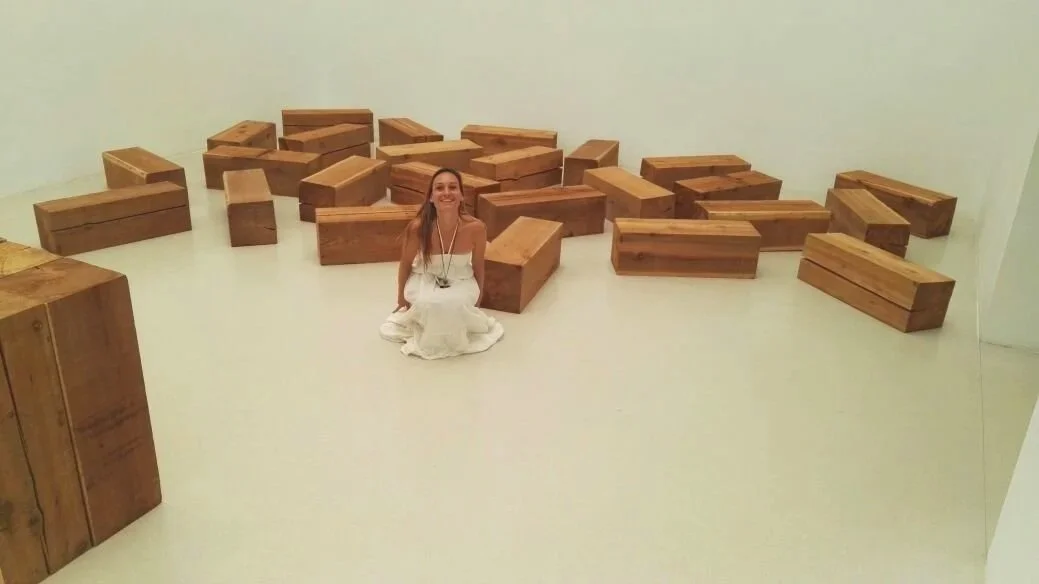
Brands Do Not Scale. Structure Does
“How do we make sure the brand can handle the expansion ahead?” It’s the wrong question, but understanding why reveals exactly why luxury brands break when they scale. The brand doesn’t hold up the expansion—the structure behind it does. An analysis of the three layers of business architecture required before you grow.
Why the growth of a luxury brand depends less on branding than on the business architecture that holds it up.
"How do we make sure the brand can handle the expansion we have ahead of us?"
It is the wrong question, but wrong in a way worth understanding, because that mistake holds most of the answer to why luxury brands break when they scale.
The brand does not hold up the expansion. What holds up the expansion is the structure behind the brand, and that structure is almost never designed on purpose. It just happens, until it stops working.
This article proposes a map of that structure: what it is, and which layers make it up when a luxury brand enters a real growth phase.
Why "brand" and "structure" are not the same thing
When people talk about brand, most think of what is visible: the logo, the color palette, the tone of voice, the photography, the client experience at the point of contact.
All of that is real, and all of it matters. But it is the outcome of something deeper, not the starting point. What holds that outcome together, what keeps it consistent as a company goes from one property to three, from one market to five, from a team of five people to one of fifty, is what I call business architecture.
And it is not an arbitrary order: first you decide what space the brand occupies, then how that position turns into business, and finally what structure the organization needs to support it.
In that order, and not the other way around.
Layer 1: Positioning as a business decision
Positioning is not a creative exercise or a nice line for the "about us" page. It is a business decision: what territory the brand occupies that no competitor can occupy the same way and what gets deliberately sacrificed to hold that territory well.
It looks simple. It is not. The real market, what the brand can actually sustain, and ego all come into play.
The most common mistake in brands that scale is treating positioning as something defined once, at the start, and never revisited. A positioning that worked perfectly with one property and one market rarely stays the sharpest once the company operates across three continents.
Layer 2: Commercial architecture
This is where positioning turns into money or stops turning into money, which is what happens in most of the cases I see.
Commercial architecture is the bridge between what the brand claims to be and how that promise gets sold, priced, and distributed. It includes pricing, channels, and something almost never designed on purpose: how a new commercial team, one that was not in the room when the brand was defined, explains it to a client without diluting it. And when we say commercial team, we mean your entire team, not just the sales department.
This is the layer that goes orphaned most often. Marketing designs the brand. Sales sells it. And in between, no one is responsible for making sure both are telling exactly the same story. Marketing in luxury wants to be glamorous, wants to be recognized, wants to be loved. Sales wants to be Scrooge McDuck, diving headfirst into a mountain of money, tearing off the luxury label if that's what it takes to get there.
Positioning, on top of that, explains how you sell. And this is basic: if you position yourself as a luxury brand and offer a client who spends, on average, between $700 and $3,000 a night a $50 discount voucher, you are not just running a promotion: you are contradicting the value logic you claim to defend. If you also hand them a sales binder to study during their stay or ask them to download an app to sell them "services," you are still getting it wrong: you're asking the client to do the work. You have a system that contradicts your positioning, and a team that hasn't been prepared to support it.
Layer 3: Organizational design
It is the most invisible of the three layers, and the first to break as the team grows. Organizational design is, at its core, answering a very simple question almost no company has written down: who decides what?
When this layer does not exist, it does not show up right away. It shows up six or twelve months later, when the brand starts feeling inconsistent across properties or markets, and no one can quite explain why, because the logo and the typeface are still the same everywhere.
Why this breaks precisely at the moment of expansion
These three layers are tolerable to have poorly designed when a brand is small. With a single property and a founder making every call, the lack of formal structure does not show: the founder is, in effect, the structure.
The problem shows up at exactly the moment it is hardest to fix: during expansion. A second property, entry into a new market, a funding round. It is precisely when the brand needs these three layers to carry more weight, more people, and more simultaneous decisions, and it's exactly when, more often than not, they're still designed for a much smaller operation.
Repositioning a brand that's already in the market, with clients who already know it and teams already operating under it, costs far more than designing this architecture properly before scaling. Not because of the redesign cost itself, but because of everything that has to be unlearned first: habits, processes, and expectations that already set in the wrong way.
It is like learning to ski and being taught the snowplow. It works at first. But later you have to unlearn it to actually ski, and that always costs more than starting off right on day one.
The order matters
A mistake I keep seeing in different forms: companies that invest in visual identity, a polished rebrand, flawless photography, before resolving these layers. The result looks spectacular for a few months. And then, when the company grows again, the same problem resurfaces, because it was never a design problem.
In this context, branding should be the visible outcome of these decisions, not the starting point. When it is designed in the right order (positioning, then commercial architecture, then organizational design, and only then identity), the brand does not just look coherent. It can carry the real weight of growth.
The starting question
Before considering a rebrand, a new campaign, or an expansion strategy, it is worth asking these questions:
Is our positioning still the sharpest one for the current competitive landscape, or was it defined for a stage that's already passed?
Does our commercial architecture translate that position consistently across every channel and market we operate in?
Do we know, clearly and in writing, who decides what as the team grows?
Are we willing to accept that scaling the brand requires changing behaviors, responsibilities, and ways of working, not just hiring more people?
That last one is probably the most uncomfortable. It's the one where I always find the most resistance to change, and the one that determines whether the brand and the company grow, stall, or disappear.
If any of these answers isn't clear and immediate, that's the real starting point. Not the logo.
I am Marian Gómez, the Founder of Marian Gomez Consulting, a boutique strategic advisory for luxury hospitality, wellness, and tourism brands and holdings, based in Bali, advising clients across Asia, Europe, and the Americas. I publish around the 15th of each month in this blog, sometimes a few days earlier, sometimes later, and occasionally outside that cadence when something worth saying surfaces in the industry. What you will find here leans more didactic and deliberately deep: not written for general consumption, but for those who operate at the level where these distinctions matter.
For more applied, day-to-day thinking and a slightly sharper sense of humor, find me on Substack at The Brand Architecture, a publication written for founders, investors, and leadership teams in luxury hospitality, with a strategic lens on wellness, travel, tourism, and longevity. Not about ideas, but about two decades of expertise in brand and marketing strategy across luxury hospitality, tourism, and wellness.

Luxury Does Not Compete on Volume. It Competes on Value
As Mallorca and Ibiza shift from volume to value, a structural reconfiguration is transforming the Mediterranean luxury market. This analysis unpacks how strategic scarcity, intentional operational friction, and localized wellness models are redefining high-yield hospitality investments for founders, investors, and C-suite executives globally.
Mallorca and Ibiza as the Mediterranean’s Luxury Test Case
When a destination generates 2.3 billion euros in economic contribution from a segment that represents only a small fraction of its visitors, something structural has changed. Not a trend. A reconfiguration of the model.
That is what is happening in Mallorca and Ibiza. And what is happening is not growth for the sake of growth. It is selection.
The Balearic Islands now account for a disproportionate share of luxury tourism in Spain. Luxury visitors spend far more per day than conventional tourists. These are not marketing numbers. They are structure numbers. They tell you the archipelago no longer competes on volume. It competes on value.
For any founder, investor, or executive building in the islands, the relevant question is not whether the market is growing. It is whether the operation has been designed to capture that value or merely to sit inside the same geography.
Mallorca: Scarcity as Architecture
The opening of Mandarin Oriental Punta Negra in Calvià is a clear signal of where the market is heading. It is the chain’s first opening in the Balearics and its only new hotel globally in 2026, with 131 rooms, private access to two coves, and a pricing strategy firmly placed in the luxury tier.
What matters is not only the asset. It is the logic behind it.
The property is rooted in place: local stone, Mediterranean herbs, and a hospitality language that frames Mallorcan luxury as restrained rather than performative. That matters. In luxury, scarcity is not a limitation. It is a decision.
When inventory is intentionally limited, the property is not leaving money on the table. It is protecting the only lever that cannot be copied: access.
Mallorca is not becoming relevant because it is louder. It is becoming relevant because it is more selective.
Ibiza: Friction as Filter
Ibiza has spent decades living inside a brand identity built more by the market than by the island itself. For years, the destination was defined by access, volume, and ease.
But the island has already shown that another model is possible.
In 2021, when the big clubs were closed, Ibiza did not collapse. It held. The visitor profile changed. It became more intentional, more environment-led, more open to quality than quantity. That was not a disruption. It was a preview.
The summer of 2026 goes further. Ibiza has capped daily vehicle entry at 17,000 vehicles, with restrictions in place during peak season. The message is clear: friction is no longer incidental. It is part of the design.
And in luxury, that matters
The guest who accepts friction is usually the guest who is willing to pay for what sits on the other side of it. Ibiza is not just reducing pressure. It is refining demand.
At the same time, a wellness and longevity layer is emerging on the island. The opportunity is real, but the market is still uneven. Too many concepts are being imported before they are truly adapted to what the destination needs. That is where the risk sits: not in the category, but in the mismatch between concept and context.
Exporting Without Adapting
This is where many luxury wellness brands make a familiar mistake. They believe that if the brand is strong, the model can travel unchanged. It cannot. Markets such as Switzerland, Spain, Mexico, the Gulf, and Asia differ radically in regulation, cultural expectations, health protocols, and the meaning of value. What works in one market may not translate in another, even if the visual identity is intact and the brand language sounds familiar.
A longevity clinic that succeeds in one geography cannot simply be dropped into another and expected to perform in the same way. If the operating logic is not adapted, the brand may still open but it will not necessarily land. And in luxury, landing matters more than launching.
What the Islands Are Saying
Mallorca and Ibiza are not just destinations. They are signals. They show that regulation is not the enemy of luxury. In many cases, it is the condition that makes luxury sustainable. They show that scarcity can be a strategy, that friction can be a filter, and that value is built through design, not declared through positioning alone.
For founders and investors, the lesson is straightforward: the strongest brands in these environments will not be the ones with the best story. They will be the ones with the most coherent operating architecture.
I’m Marian Gómez, founder of Marian Gomez Consulting, a boutique strategic advisory firm for luxury hospitality, wellness, and tourism brands and holdings. Based in Bali and working globally, especially across Asia, Europe, and the Americas, I lead strategic advisory for founders and investors with an in-house team and a curated global network of specialists, helping brands scale with clarity, coherence, and long-term value.
I publish around the 15th of each month, sometimes a few days earlier, sometimes later, and occasionally outside that cadence when something worth saying surfaces in the industry, as today. What you will find here leans more didactic and deliberately deep: not written for general consumption, but for those who operate at the level where these distinctions matter.
For more applied, day-to-day thinking and a slightly sharper sense of humor, find me on Substack at The Brand Architecture, a publication written for founders, investors, and leadership teams in luxury hospitality, with a strategic lens on wellness, travel, tourism, and longevity. Not about ideas, but about two decades of expertise in brand and marketing strategy across luxury hospitality, tourism, and wellness.

The Independent Brand Republic Syndrome
The Independent Republic Syndrome: Why Fragmentation Dilutes the Value of a Luxury Portfolio
Growth across the premium, luxury, and ultra-luxury sectors is not linear—it is expansive. When a single portfolio scales to combine a resort, a longevity clinic, a wellness line, and branded residences, the natural corporate impulse is to compartmentalize. However, managing each vertical as an independent territory creates a silent, costly fragmentation. Real performance in a complex ecosystem requires brand architecture and global strategy to function like a tree: allowing each branch to grow independently, while ensuring every asset is fed by the exact same root. Marian Gomez Consulting
Growth across the premium, luxury, and ultra-luxury sectors is not linear; it is expansive. None of these segments operates under the same rules or responds to the same stimuli, yet they frequently share a common scenario: the diversified portfolio.
It is increasingly common to see a single group or owner combining a resort, a longevity clinic, a wellness line, and a foundation. As the ecosystem grows, branded residences, restaurants, beach clubs, and tour operators are added to the mix. Within that same ecosystem, affordable concepts may coexist alongside premium, luxury, and ultra-luxury propositions.
The natural corporate response to this complexity is to compartmentalize. A director is assigned to the hotel, an external agency to the apparel brand, and an isolated software system to the clinic. On financial reports, this reads as an operational order. In practice, however, it generates a silent fragmentation.
The mistake is usually twofold: managing each of these brands as an independent republic while failing to understand where they differ and where they converge to form a true ecosystem.
Brand architecture and corporate strategy must allow each vertical to operate independently while functioning as a whole. It works the same way a tree does; each branch extends in its own direction, with its own size and leaves, but all are fed by the same roots and the same trunk. If the branches forget they are part of the same organism, the tree loses its balance.
When assets operate as isolated territories, without that unified vision, inefficiency surfaces in the invisible structure of the business.
Identity inconsistency emerges. Each vertical communicates from its own mental framework, and the brand dilutes without a common thread to hold it together. Without clear direction, brands end up competing for the same client profile or obscuring the portfolio's real value.
Technological silos form. Costly digital tools are unable to communicate with one another, trapping information and preventing a returning client from being recognized seamlessly as they move from one asset to another. The experience breaks down precisely where it should be flawless.
Internal friction becomes inevitable. Human teams end up defending local budgets and immediate objectives, protecting their own territory rather than operating under a matrix strategy that safeguards the portfolio's global legacy.
Duplicating resources so that brands within the same group compete with each other or drift from their common roots is not expansion. It is an architecture failure. When strategy does not unify the foundation, marketing efforts stay at the surface.
A complex portfolio does not need more isolated campaigns or more noise. It requires brand identity, global strategy, digital systems, and human capital to coexist in harmony. Real performance happens when technology and people work in symbiosis, feeding each branch independently so that the entire ecosystem holds strength.
The resilience of a tree is never measured by how many branches it has but by how deep the roots run.
I am Marian Gómez, founder of Marian Gomez Consulting, Brand & Marketing Architect, Fractional CMO, and Strategic Consultant specializing in luxury hospitality, wellness, and tourism. We work with founders and investors managing brands and complex portfolios with multiple brands and assets. Our work is to design the strategic architecture that allows that ecosystem to function as a coherent whole: brand identity, global strategy, digital infrastructure, and human teams operating from the same root. Our Strategy Boutique Firm works in three modalities: brand and portfolio architecture audit, Fractional Chief Marketing Officer, and systems and team integration.
If your portfolio has grown faster than its structure, let's talk.
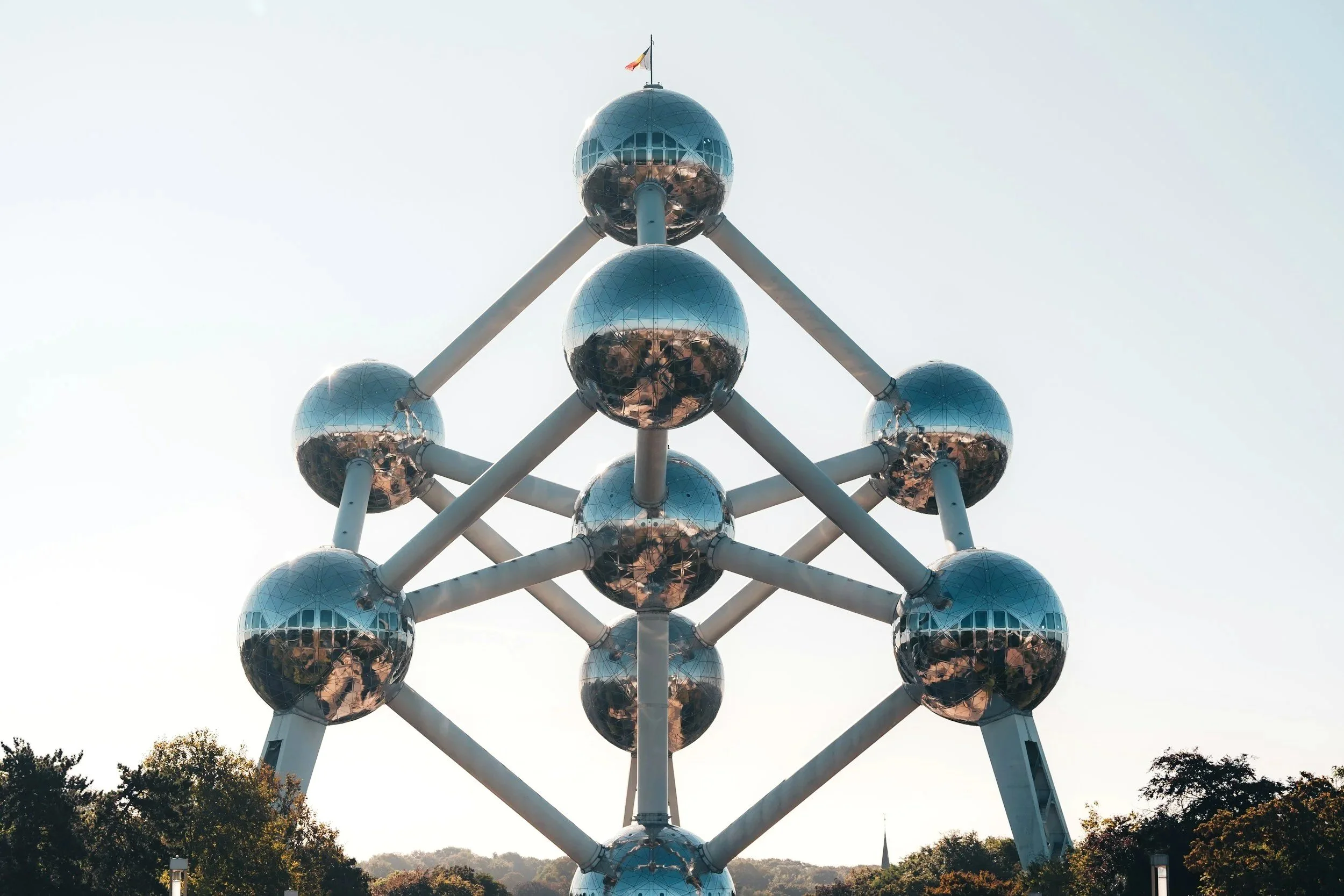
No Structure, No Marketing: The High Cost of Novelty Without Foundation
Real luxury isn't in surprising the client, but in eliminating their uncertainty.
In an industry obsessed with "riding the wave" of trends, we’ve forgotten that true exclusivity is built on predictability, not fireworks. From the foundational lessons of Kemmons Wilson to the complex human ecosystems of modern longevity, I explore why impeccable CEX requires more than just a CRM—it requires Strategic Architecture.
Is your brand promise a robust ecosystem or just cardboard scenery?
I recently read an interview with Kemmons Wilson, founder of Holiday Inn. While often studied as a mass-market success story, Wilson grasped a truth that today, in ultra-luxury, seems forgotten: real value isn't in surprising the client but eliminating their uncertainty.
I've worked on relaunching global brands that set the pace in the luxury industry; brands under constant pressure to "ride the wave," to be the trend week after week. It's exhausting stress. But whether you're a disruptor or not, clients seek something far more primal: a stay that's easy and pleasurable, where they feel heard and you anticipate their needs.
It sounds like a lot, but it's not. It's simply architecture.
The Client's Obstacle Course and the CRM Mirage
In strategy meetings, I repeat the same: anticipation requires a solid CRM and impeccable CEX (Customer Experience). Everyone nods, but then you see clients trapped in an inefficient "obstacle course" of processes.
Why? We've obsessed over external disruption while neglecting internal structure. We want fluid experiences, yet force clients through operational chaos that even the best staff can't fully compensate for.
The Commitment Myth and the Cost of Turnover
We hear "new generations lack commitment." I say: No. The issue is companies aren't committed to hospitality's foundation. If your staff turns over every six months, your business is expensive, very expensive. You're burning money every time someone learns the system and leaves due to burnout, poor training, or unsustainable workflows.
Gallup data shows global employee engagement has dropped to 20%. It’s a stark reminder that in any high-end project, the most sophisticated and complex layer of the architecture is always the human ecosystem. Without a structure that supports those who deliver the experience, even the most brilliant marketing remains a facade. We can't blame just the PESTLE (Political, Economic, Social, Technological, and Environmental factors)—it plays its part. But we mustn't fuel the problem from the micro level. Otherwise, marketing is just cardboard scenery.
Reliability as the Ultimate Luxury
True luxury hospitality isn't fireworks; it's invisible structure that works.
No training, no anticipation.
No rest, no active listening.
No system, no magic.
In high-end tourism, longevity and wellness, predictability is the greatest luxury. Clients "let go" because they trust a robust ecosystem.
No structure, no marketing.
I'm Marian Gomez, Fractional CMO, Strategic Consultant, and Founder of Marian Gomez Consulting.
I help Iconic Brands reclaim their essence, build it from scratch, or redesign it so brand promise and operations align. If you seek strategic architecture—not just fireworks—let's talk.
Seniority is Influence: Communication is the Ultimate C-Level Asset
Seniority is not about executing better; it’s about having the influence in the room to protect the strategy."
After nearly 20 years in the industry, I’ve realized that the biggest tax on a luxury brand isn't the competition—it's the internal "silos" and the cost of micromanagement.
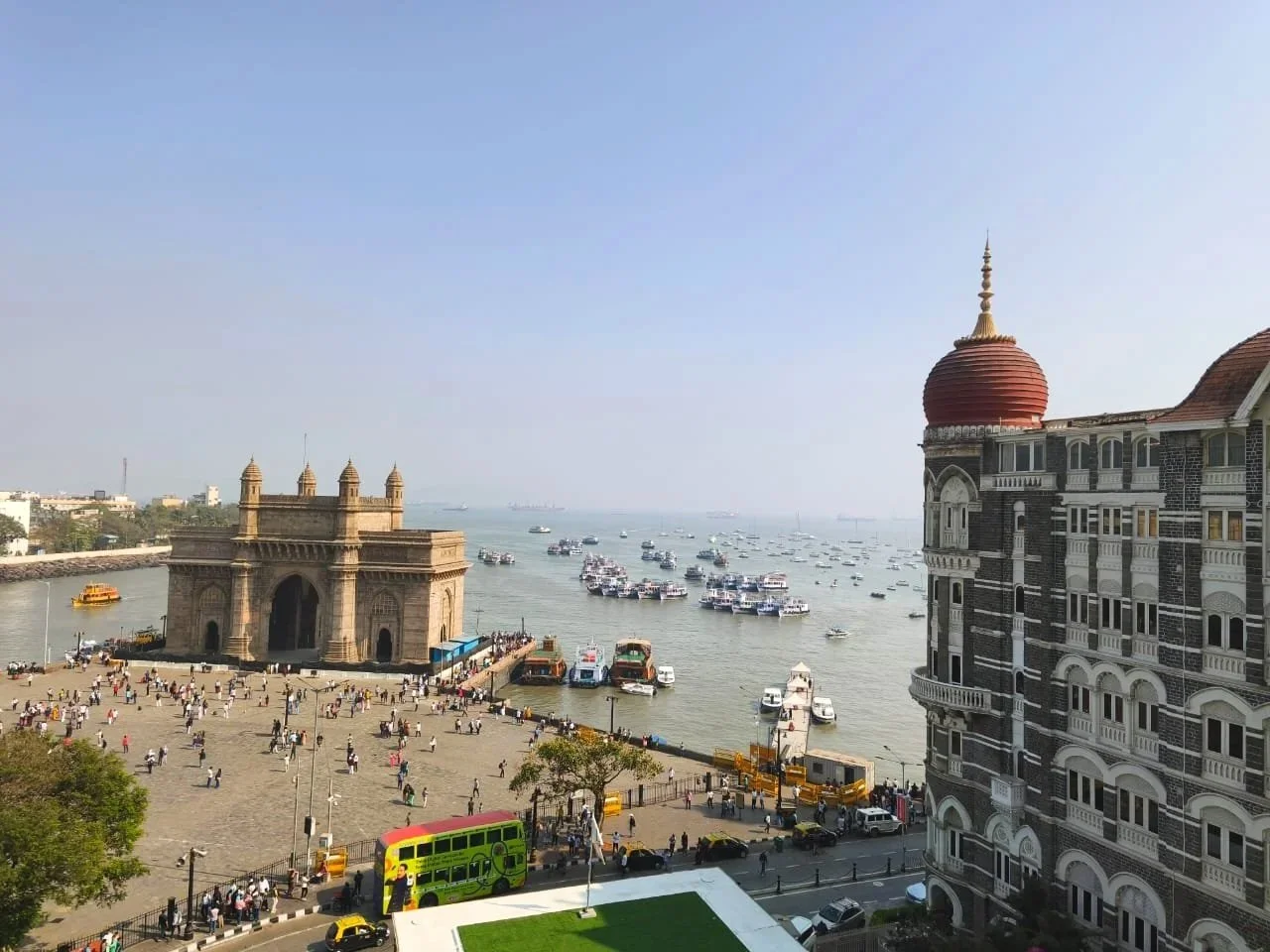
From my time collaborating with UNESCO to a recent deep-dive at the Taj Mahal Palace in Mumbai, I analyze why "polishing your own piece of marble" is never enough to level the organizational ground. In the world of Luxury Hospitality and Wellness, if your storytelling doesn't protect your heritage, you're just another commodity.
Marian Gomez Consulting
Recently, while advising a VP of Marketing on building their executive team, a phrase came up that perfectly encapsulates the new standard of authority: "For me, seniority is influence in the room." At the C-Level, execution is no longer the differentiator; it is taken for granted. Real seniority is measured by the ability to protect the strategic function in a room filled with competing priorities, conflicting opinions, and, occasionally, personal whims.
The Strategic Filter and the "Canadian Newspaper"
There are anecdotes you never forget, and even after a decade, this one still makes me sweat. I remember a Global IT Director (not sales, not investors, not even the CEO… but IT) approaching me to suggest we run an ad in a tiny Canadian newspaper, one of those classified ads with only 20 words. My response was a battery of questions that every leader must be able to hold their ground on: Why that specific medium? To what end? Who is the audience, and does it truly align with ours?
Without that influence in the room to question such occurrences, brand strategy quickly dissolves into a collage of caprices. If the leader fails to act as a filter, the budget is diluted into ROI-less tactics. In luxury hospitality and wellness, this is lethal: every euro counts toward premium positioning.
The Identity Trap: Globalization vs. Heritage
Globalization brings us closer to a broader spectrum of cultures, but it carries a hidden risk: the loss of a brand’s soul. I recall a project during my university years in Belgium, collaborating with UNESCO. Carmen, a brilliant Mexican leader, was heading the strategy. I remember her frustration when I argued that uncontrolled globalization erodes cultural identity. Progress is necessary, yes, but preserving cultural heritage is what allows us to grow with unique identities and truly referential brands.
The Taj Mahal Palace is the ultimate reference of Indian heritage. In such an iconic setting, Ayurveda isn't just a "mandatory" spa service; it should be the undisputed star product. When a brand fails to own its storytelling and its cultural roots, it becomes just another luxury commodity. Strategic seniority means having the voice to say: "This is who we are, and we will not dilute it."
Autonomy as an Asset
I experienced this tension firsthand recently at the Taj Mahal Palace in Mumbai. On the surface, it is a marvel of operational autonomy: a decisive and graceful staff that remembers guest details masterfully. No one, even at the most basic level, waits for a "pat on the back" from their manager to make a decision, eliminating any potential bottlenecks. I’ve always held onto something one of my great industry mentors, Gonzalo Franyutti, used to say: "The worst kind of management is the one that never happens."
Nothing is more cost-effective for an owner than an autonomous team. But that autonomy requires leaders who flee from micromanagement. You cannot spend your time overseeing every comma, every image, the toner in the photocopiers, or the refills for the coffee machine. Micromanagement is not supervision; it is a tax on agility that stifles talent and paralyzes company growth.
To the Hospitality, Tourism & Wellness teams I train (cousins, but not identical twins, friends), I always say the same thing: "Don’t worry about making mistakes. I make them too. We aren't performing surgery; nobody dies." Fear is the ultimate financial bottleneck: it paralyzes execution and breeds burnout. However, without strategic communication to align that autonomy, the system eventually collapses.
The Trap of the Silent Marble
Even with excellent service, the Taj revealed pathological disconnections that weren’t just anecdotes. We saw a blind CRM, with marketing operating in its own silo, offering breakfasts that were already part of the contract. We encountered a "False Hammam": a hall of superb marble devoid of any real substance, where product and communication had never actually spoken to each other. Even the Spa Director, despite his expertise, ended up selling what the hotel wanted to push rather than what the client was looking to buy.
No one owned the complete experience. This isn't a failure of individuals; it’s an organizational design flaw. Departments don’t talk because the structure doesn’t require them to. The result is a silent chaos where every department speaks its own language, and the client is the one who ends up paying for the translation.
Leveling the Organizational Ground
Every company has its own Achilles' heel—often structural rather than marketing-related. True seniority is having the influence to level the ground: to say "no" to departmental inertia and "yes" to ecosystemic coherence. If every department only polishes its own piece of marble, the floor will never be level.
Execution earns credibility, but influence protects your leverage.
Final Note: After nearly 20 years in the industry and traveling for as long as I can remember, this is the first time I’ve genuinely wanted to return to a hotel solely for the service and the global experience, despite its strategic gaps (and their excessive AC! Hahaha). In the end, operational excellence is what brings you back, but strategy is what makes the business sustainable.
If you noticed a bit of silence here on February 15th and March 1st, it wasn't a CRM glitch. I was "watching the bulls from the sidelines," as we say in Spain. In the end, you can’t truly disconnect from what you drink, but you certainly breathe differently (with tranquility and without the tachycardia).
I’d love to know if "Canadian newspapers" ever land in your boardroom or if you’ve felt that urgent need to level the floor.
I help iconic brands in Luxury Hospitality, Tourism, and Wellness level their organizational ground and transform their marketing strategy into a coherent, agile ecosystem. If you're ready to turn influence into impact, let's talk at www.mariangomez.com
We are connected :)
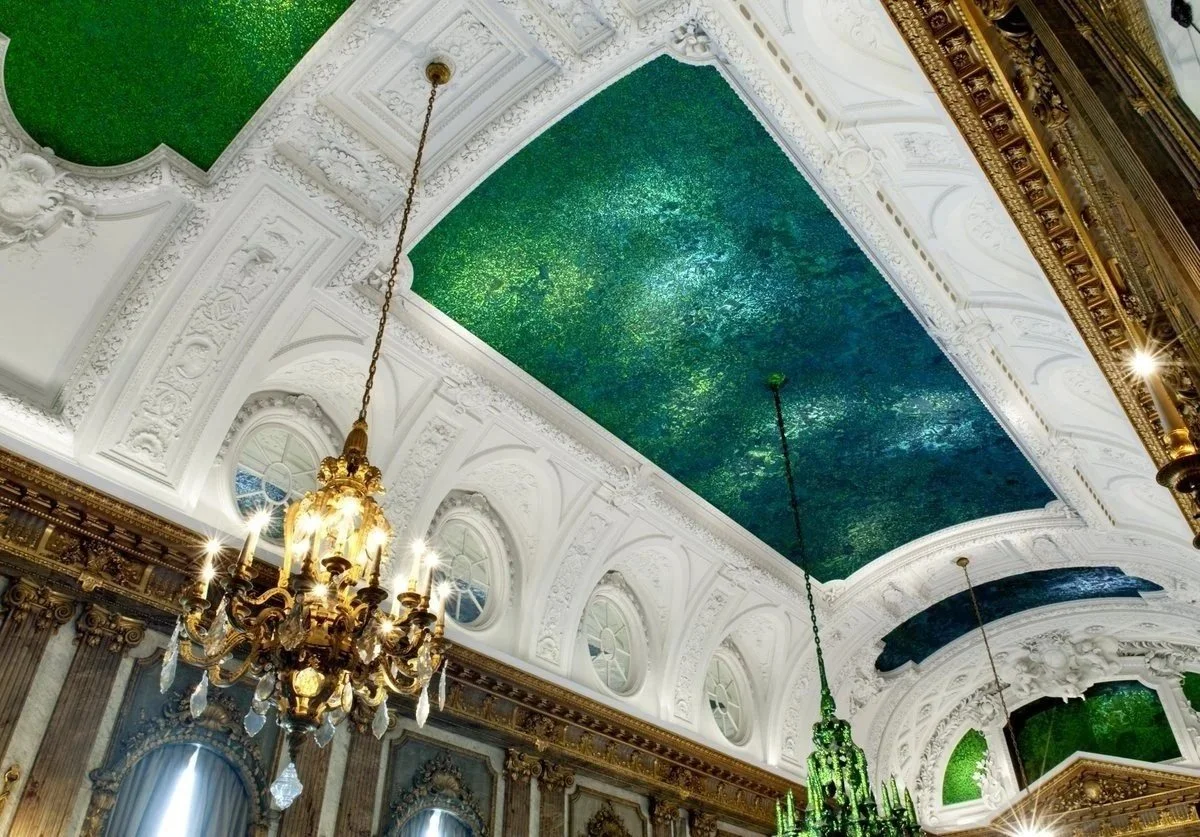
Your Hospitality Structure is Suffocating Your Talent
Stop running 2026 operations on 1990s software. Learn why archaic corporate structures are suffocating growth in Wellness, Longevity and Hospitality, and how to transition toward an agile, high-performance ecosystem.
For years I’ve been seeing the same posts on social media, opinion pieces and expert conferences lamenting the same thing we’ve heard for the last five or seven years (maybe more). Talent retention, how we need to “woo” employees, how people don’t want to work in hospitality anymore…
The problem is not the people. The problem is that the system is 1990 software trying to run in a 2026 world. The system is obsolete.
The Prophet Antonio
Back then, my boss —the General Manager, a funny guy who knew the trade from the ground up and had only a couple of years left before retirement— used to tell me between laughs: "Marian, the problem is there are too many chiefs and not enough Indians." I don’t know if he was related to Nostradamus, but the structure has definitely become unsustainable.
Big Corporates: the game of internal PR
In the C‑Level and management of established companies, a dangerous game has taken root: internal PR. The structures are so archaic they look more like political parties fighting for the next candidacy than high‑performance teams.
More energy is spent “navigating” the hierarchy than innovating.
Silos are created where information doesn’t flow.
The result: the structure burns the best people.
Unless the CEO truly wants to change the dynamics, this won’t change. Middle management —the ones who actually move the operation— are exhausted pushing against a wall of bureaucracy more interested in taking photos for the press than in doing anything for the company.
If you pause for a moment and look at what big hotel chains are doing, you’ll see they’re starting to copy and create sub‑brands under their umbrella that imitate startup models. But… and I hope I’m wrong… they’ll end up being museum brands. Because the problem lies in their DNA and in their slow implementation. Their top level is like the Sistine Chapel: beautiful to look at, but not something you’d want in your living room. Imagine all the maintenance… and add that it doesn’t resonate with the changes and redecorations over the years. That’s what they are: a museum.
Mid‑market and startups: agility and DNA
The management of a startup and mid‑market is, today, my favorite. When it flows, the system is agile. Many people say the industry changes quickly. I disagree. The industry evolves organically through sociological; political, technological, environmental and economic changes. The problem is that the corporate world waits five years for a “trend” to be safe, while the startup has already taken action.
In these companies:
Teams are dynamic.
They have a voice and a vote.
The DNA of the business makes people want to be there. Not because they’re “wooed” with Friday pizza they actually hate, but because the purpose is real.
The investor usually knows not only the C‑level, but even the waiters, which gives them a more realistic view of the business and how operations are lived on the front line.
The executing body: where structure really matters
This is where it gets sensitive. We cannot ignore a key factor: the base teams. Waiters, housekeepers, line staff. This is where Big Companies usually win by a landslide (when they do it well). They have the logistical capacity to offer what a startup sometimes forgets:
Stability and clarity: The executing profile sometimes doesn’t want “creative flexibility” or headaches. They want to know what they have to do, what their schedules and shifts are. They want structural stability, not the investor coming to the housekeeper and telling her to fix the email issue… without having any idea what he’s talking about or who she should ask, under the stunned gaze of an employee who doesn’t have email because she’s a housekeeper, not IT, and it slips his mind that for that he has a GM who already knows who to send the message to (the recipient) and ensures it happens successfully.
The housing challenge: Hotel chains already have in their DNA that if they open in a remote area or in tight markets like Mallorca or Ibiza, they must solve the housing problem for their team. The startup falters here: it finds flexibility for its C‑Level, but loses its executors because it lacks physical infrastructure. Focused on their C‑Level, they forget they also need someone to deliver the service and execute. Otherwise, you only have a nice photo of your ExCom in the office.
The question is not how to retain talent. The question is: Is my structure a living ecosystem or are we still painting Neanderthal caves?
Evolution is inevitable. You can keep talking about the same trends for another five years at FITUR, or you can start changing the dynamics of the process.
Do you feel your structure is slowing down the growth of your Hospitality or Wellness project?
We help companies transition to an agile and human ecosystem as part of their strategy. Let’s talk at www.mariangomez.com.
Marketing Architecture vs. Tactical Execution: The Blind Spot in Longevity & Hospitality Investment
Most luxury hotel owners believe they have a marketing problem. They’re wrong. They have an architecture problem. Discover why burning budgets on "pretty content" is failing your P&L and how to restructure your marketing to protect asset valuation in the Longevity and Advanced Wellness sector.
Most luxury hotel owners believe they have a marketing problem. They’re wrong. What they have is an architecture problem.
I’ve audited enough assets to see a recurring pattern: properties burning six-figure budgets on social media agencies, content creators, and influencer campaigns. The Instagram metrics are glowing; the P&L, however, is not.
The result is inflated operational spend that fails to move RevPAR, stagnant direct bookings, and an asset valuation that doesn’t reflect its true potential.
The Gap Between Rigor and Superficiality
In the Longevity & Advanced Wellness sector, the error is systemic. You cannot sell high-precision health protocols using "beach resort" marketing tactics.
The Error (Tactics): Buying content calendars, "pretty" photos, and ad management.
The Solution (Architecture): Designing an infrastructure connected to the P&L, systems that convert awareness into qualified bookings, and a team built for accountability.
The 3 Pillars of Marketing Architecture
To scale, you don’t need more "likes." You need process engineering:
Process Audit: Identifying where the guest experience breaks from the first ad exposure to the final booking. Most luxury assets leak 60% of their leads due to a lack of conversion infrastructure.
Team Engineering: Structuring internal talent for efficiency, not volume. Defining who leads the strategy, who executes, and who verifies the scientific integrity of the communication.
Equity Protection: Ensuring every marketing dollar increases the property’s asset value, not just its engagement metrics.
The Fractional CMO Solution
This is where the traditional full-time Chief Marketing Officer model fails. Investment funds and independent owners don’t need a static executive settling into the organizational chart; they need agile, external leadership with an owner’s mindset.
A Fractional CMO steps in to audit with brutal honesty, detect capital leaks, and design the ecosystem required for the asset to scale without losing its essence. You aren't buying execution; you’re buying strategic design and the safeguard of your investment.
If you are an investor or owner, ask yourself three questions:
Can your marketing leadership explain how their work affects your asset valuation today?
Are they optimizing for Guest Lifetime Value or for vanity metrics?
Are they measuring qualified bookings or just impressions?
If the answers make you uncomfortable, you don’t have a budget problem. You have an architecture problem.
Marian Gomez is a Fractional CMO and Strategic Consultant. She helps funds and investors restructure marketing operations across Luxury Hospitality, Wellness, and Longevity assets.
Is your marketing spend failing to reflect in your business results? Let’s connect for a 30-minute diagnostic to identify where your capital is leaking.
Beyond the Spa: How Integrated Longevity is Redefining Luxury Hospitality
Traditional wellness is no longer enough for the ultra-high-net-worth guest. As the shift from "relaxation" to "measurable outcomes" accelerates, investors and operators face a critical choice: evolve into a longevity destination or risk commoditization. Discover the strategic roadmap to integrating clinical-grade wellness, why brand dilution is the biggest risk for major chains, and the financial metrics driving this $5.6 trillion shift.
The luxury hotel sector is experiencing a silent yet profound transformation. High-end guests no longer seek just temporary relaxation: they want measurable results that impact their long-term health. This evolution is creating new value opportunities for both operators and investors.
The Paradigm Shift: From Experience to Outcome
For decades, hotel wellness focused on sensory experiences: massages, saunas, facials. But the pandemic accelerated a latent demand: guests now ask "does this actually work?" before booking.
The difference is fundamental. A traditional spa offers two hours of relaxation. An integrated longevity program offers:
Pre and post biometric data: analysis of cortisol, systemic inflammation, or sleep quality through wearables
Personalized nutrition: menus designed according to individual metabolic testing, not just generic dietary preferences
Scientifically-backed protocols: from circadian optimization to supplementation based on actual deficiencies
This transition isn't theoretical. Resorts like SHA Wellness Clinic in Spain or Clinique La Prairie in Switzerland report occupancy rates above 80% annually with average rates 40-60% higher than traditional wellness competitors.
Why Investors Are Paying Attention
Three factors are driving financial interest in these models:
1. Higher value per guest
A traditional spa guest spends between $3,000-5,000 in a week. A longevity program participant spends $8,000-15,000 in the same stay, including tests, medical consultancy, and personalized supplementation.
2. Recurring revenue
The annual membership model or quarterly returns for follow-up generates predictable flows. Some resorts report that 35-45% of their longevity program guests return at least twice a year.
3. Sustainable competitive differentiation
While a competitor can copy your spa design in 18 months, replicating a longevity ecosystem with medical partnerships, certifications, and clinical reputation takes 3-5 years. This creates real barriers to entry.
The Mistake Major Chains Are Making
Several international hotel chains (we all know which ones) have recently launched into the longevity segment. The problem: they're doing it under their traditional hospitality brands.
Here's the fundamental disconnect: longevity is a rather particular industry that requires unique differentiators. A guest seeking tangible medical results doesn't want the backing of a brand known for its breakfast buffets or points programs. They want scientific, medical, and holistic credibility.
It doesn't matter how many years you've been operating premium or standard hotels. When someone invests $12,000 in a biomarker optimization program, they don't trust your hotel track record. They trust your medical ecosystem, your clinical certifications, and your reputation in health outcomes.
The smart play: Create a sister brand under the same corporate umbrella. Exactly what Kerzner International (the group behind One&Only) did by launching SIRO. They didn't try to fit longevity into One&Only. They created a completely new identity with its own DNA, positioning, and brand promise focused exclusively on performance and scientific wellness.
This isn't coincidence. It's strategy. Because mixing longevity with traditional hospitality dilutes both value propositions.
Three Essential Operational Components
Based on work with resorts that have successfully implemented these models, three elements are non-negotiable:
1. Certified Medical Partnerships
Hiring a nutritionist isn't enough. You need alliances with diagnostic laboratories (for biomarkers), licensed functional or longevity physicians, and certified medical technology providers (like Oura for sleep, or InsideTracker for blood analysis).
2. Measurement and Tracking Technology
Guests in this segment expect continuous access to their data. This requires:
Digital platform where they can see metric evolution
Integration with their personal wearables (Apple Watch, Oura, Whoop)
Post-stay dashboard with recommendations to continue at home
3. Team Training
Your F&B staff must understand why one guest receives a lectin-free menu while another maximizes protein. Therapists need to comprehend muscle recovery protocols guided by HRV data.
This doesn't happen with a two-day workshop. It requires continuous training and, frequently, selective hiring of profiles with backgrounds in health coaching or clinical nutrition.
The Implementation Challenge
The theory is seductive, but execution is where most fail. How do you integrate medical partnerships without compromising your brand? What technology justifies the investment and what's just noise? How do you train your team without turning the resort into a cold clinic?
These resorts didn't improvise. They followed a specific roadmap that balances investment, operational risk, and return expectations. The difference between a program that generates extreme loyalty and one that becomes just another costly amenity lies in the first 90 days of strategic design.
The Questions You Should Ask Yourself
Before jumping in, be honest about your asset:
Does your target market really demand this, or are you chasing a trend?
Do you have operational capacity to manage medical-legal complexity?
Is your management team committed to a 24-36 month horizon to see significant ROI?
Integrated longevity isn't for every resort, but for those with the right positioning, location, and resources, it represents one of the few genuine forms of differentiation in an increasingly commoditized market.
Marian Gomez is a strategic consultant specializing in luxury hotel asset positioning. She has advised resorts in Europe, America, and Asia on the integration of luxury hospitality and advanced wellness and longevity centres.
Is your asset ready to explore this model? Let's connect for a strategic evaluation.