
Your Hospitality Structure is Suffocating Your Talent
Stop running 2026 operations on 1990s software. Learn why archaic corporate structures are suffocating growth in Wellness, Longevity and Hospitality, and how to transition toward an agile, high-performance ecosystem.
For years I’ve been seeing the same posts on social media, opinion pieces and expert conferences lamenting the same thing we’ve heard for the last five or seven years (maybe more). Talent retention, how we need to “woo” employees, how people don’t want to work in hospitality anymore…
The problem is not the people. The problem is that the system is 1990 software trying to run in a 2026 world. The system is obsolete.
The Prophet Antonio
Back then, my boss —the General Manager, a funny guy who knew the trade from the ground up and had only a couple of years left before retirement— used to tell me between laughs: "Marian, the problem is there are too many chiefs and not enough Indians." I don’t know if he was related to Nostradamus, but the structure has definitely become unsustainable.
Big Corporates: the game of internal PR
In the C‑Level and management of established companies, a dangerous game has taken root: internal PR. The structures are so archaic they look more like political parties fighting for the next candidacy than high‑performance teams.
More energy is spent “navigating” the hierarchy than innovating.
Silos are created where information doesn’t flow.
The result: the structure burns the best people.
Unless the CEO truly wants to change the dynamics, this won’t change. Middle management —the ones who actually move the operation— are exhausted pushing against a wall of bureaucracy more interested in taking photos for the press than in doing anything for the company.
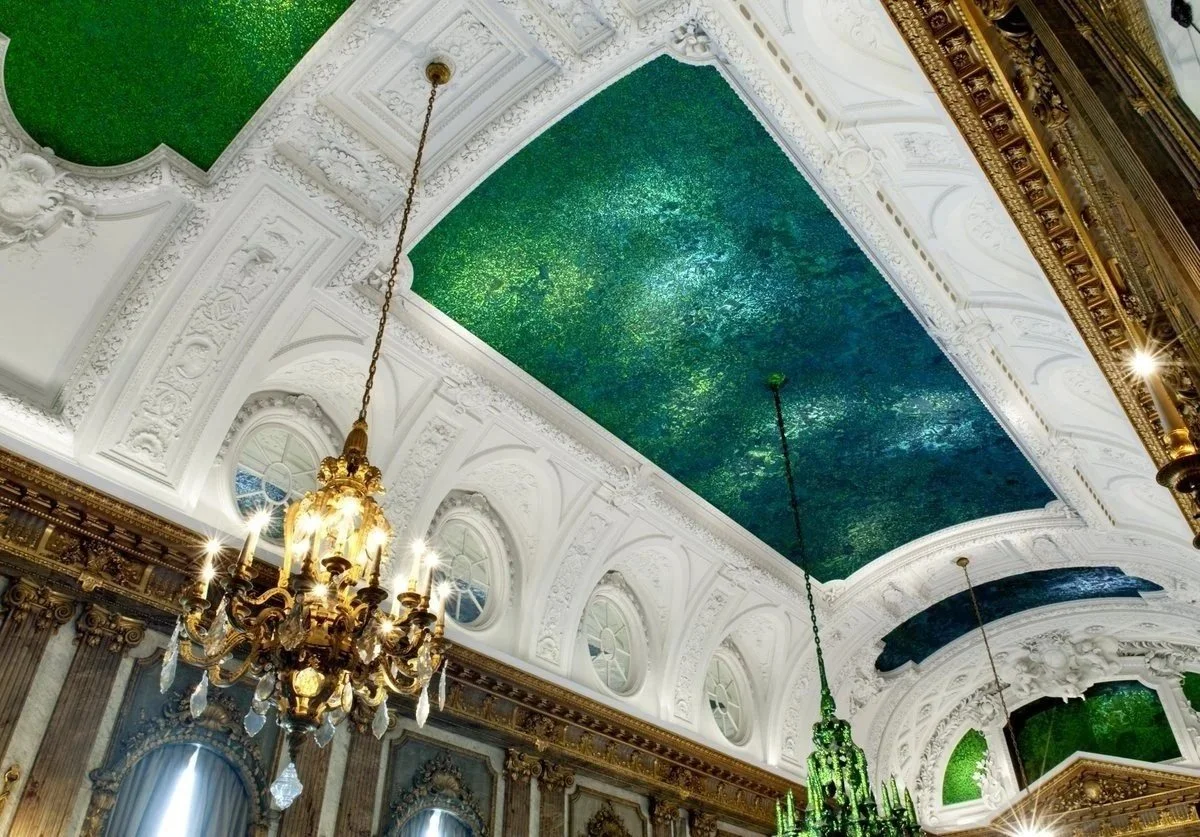
If you pause for a moment and look at what big hotel chains are doing, you’ll see they’re starting to copy and create sub‑brands under their umbrella that imitate startup models. But… and I hope I’m wrong… they’ll end up being museum brands. Because the problem lies in their DNA and in their slow implementation. Their top level is like the Sistine Chapel: beautiful to look at, but not something you’d want in your living room. Imagine all the maintenance… and add that it doesn’t resonate with the changes and redecorations over the years. That’s what they are: a museum.
Mid‑market and startups: agility and DNA
The management of a startup and mid‑market is, today, my favorite. When it flows, the system is agile. Many people say the industry changes quickly. I disagree. The industry evolves organically through sociological; political, technological, environmental and economic changes. The problem is that the corporate world waits five years for a “trend” to be safe, while the startup has already taken action.
In these companies:
Teams are dynamic.
They have a voice and a vote.
The DNA of the business makes people want to be there. Not because they’re “wooed” with Friday pizza they actually hate, but because the purpose is real.
The investor usually knows not only the C‑level, but even the waiters, which gives them a more realistic view of the business and how operations are lived on the front line.
The executing body: where structure really matters
This is where it gets sensitive. We cannot ignore a key factor: the base teams. Waiters, housekeepers, line staff. This is where Big Companies usually win by a landslide (when they do it well). They have the logistical capacity to offer what a startup sometimes forgets:
Stability and clarity: The executing profile sometimes doesn’t want “creative flexibility” or headaches. They want to know what they have to do, what their schedules and shifts are. They want structural stability, not the investor coming to the housekeeper and telling her to fix the email issue… without having any idea what he’s talking about or who she should ask, under the stunned gaze of an employee who doesn’t have email because she’s a housekeeper, not IT, and it slips his mind that for that he has a GM who already knows who to send the message to (the recipient) and ensures it happens successfully.
The housing challenge: Hotel chains already have in their DNA that if they open in a remote area or in tight markets like Mallorca or Ibiza, they must solve the housing problem for their team. The startup falters here: it finds flexibility for its C‑Level, but loses its executors because it lacks physical infrastructure. Focused on their C‑Level, they forget they also need someone to deliver the service and execute. Otherwise, you only have a nice photo of your ExCom in the office.
The question is not how to retain talent. The question is: Is my structure a living ecosystem or are we still painting Neanderthal caves?
Evolution is inevitable. You can keep talking about the same trends for another five years at FITUR, or you can start changing the dynamics of the process.
Do you feel your structure is slowing down the growth of your Hospitality or Wellness project?
We help companies transition to an agile and human ecosystem as part of their strategy. Let’s talk at www.mariangomez.com.